


Campaigning Is Replacing Governing
Jan 10, 2024 8:00 AM
Updated Jan 10, 2024 5:31 PM
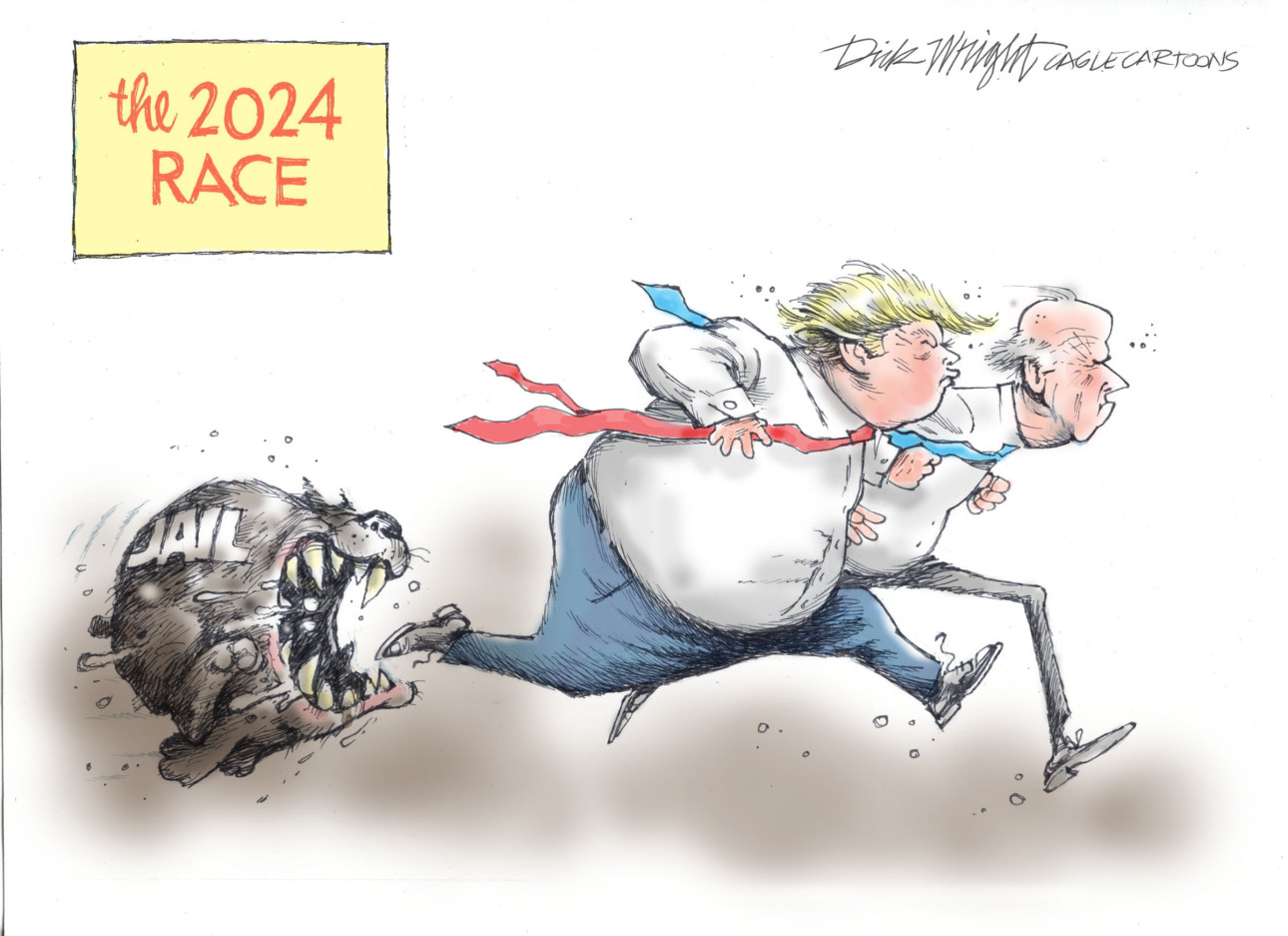
Governing and campaigning are not the same. It's hard to do both at the same time. Times have changed in electoral politics. Campaigning has replaced governing.
Democracy is supposed to make political leaders sensitive to public opinion. Theoretically, leaders will consider whether governing decisions they make will enhance or reduce their chances of re-election. Political scientists refer to this as the "rule of anticipated reactions."
In general, this sensitivity is a good thing. But in recent years, American leaders may have become too sensitive to immediate public opinion.
Voters cannot be well versed in every factor that policy makers should consider. There are just too many issues and too many conflicting considerations for voters to bone up on. The typical citizen has to spend nearly full time making personal and professional decisions, not studying public policy.
Unlike voters, full time leaders can take the time to learn what they need to learn before acting. That is their job.
Related stories
The good leader must be willing to make unpopular decisions when they are necessary for the general welfare. If the immediate public reaction to a decision is negative, the leader should try to explain to the public why it was the right decision.
The good leader thus has an educational function.
It is impossible to perform this educational function during election campaigns. A leader seeking re-election must appeal to public opinion as it currently exists. He or she does not have the luxury of trying to convince people to change their minds about policy matters, a process which takes time.
To govern most wisely, political leaders must therefore be able to switch between campaign mode and governing mode. Unfortunately, in recent decades our top national leaders have largely forgotten to shift into governing mode after elections are over. In effect, they now are always campaigning.
The cable network C-SPAN, which covers federal government 24/7, was a great idea when it was first developed. But it has helped bring about the perpetual political campaigns. It televises floor "debates" from Congress in which a single speaker holds forth on some policy subject but no other members of the House or Senate are present to listen to the speaker.
The "debater" is obviously taking advantage of the opportunity to cultivate constituents and get some free campaign exposure. The debater is only campaigning, not governing.
At this point the campaign for the presidency begins the day after election of a president. If recent trends persist, after the presidential election in 2024 we might expect someone to begin campaigning not only for the 2028 election but also for 2032!
Should we try to make presidential and congressional terms longer? Of course amending the Constitution to provide longer terms for the presidency, House, and Senate would be very difficult. And it might not improve things if longer terms didn't encourage our leaders to take a few years off from campaigning and devote them to governing.
One advantage of a second term president is that the need to campaign for the next election goes away, thanks to the Constitution's two-term limit. But bad habits built up during a first term might prevent even a second term president from kicking into governing mode.
Opinion polls have many problems, not least of which is that they may actually influence people's opinions, not just measure them. They may also help politicians lie more effectively to voters. Were it not for obvious constitutional problems, it might be a good idea to outlaw polling.
As a modest beginning of needed reforms, it would help if pollsters and newscasters would stop their perennial reports about a president's popularity. Even at best, such reports during most of a president's term tell us very little.
Popularity reports only become meaningful during the limited time before the next election when we know for sure who the other main candidate is. The key question is: compared to whom?
If the media persists on polling popularity throughout a president's entire four year term, citizens who understand how things work should not take their reports very seriously.
A version of this article appears in Newsmax.
Comments

Powered by RoundtableAn AI/DeFi-powered Enterprise Media Operating System. Learn more at Roundtable.io.© Roundtable 2026. By using this site you agree to the Terms of Use and Privacy Policy