


Aug 16, 2026 7:51 PM
Updated Aug 16, 2026 8:08 PM
The Iran war, U.S. support for Israel and soaring campaign spending are colliding with voters’ growing anxiety about gasoline, groceries and the cost of living.
For years, Washington has treated military support for Israel and U.S. intervention in the Middle East as if they existed in a separate political world, far removed from the concerns that actually decide elections. That separation is becoming harder to maintain in 2026. The war with Iran, continued military support for Israel and the enormous sums being spent to defend that relationship in congressional races are beginning to collide with something much more immediate for voters: the cost of living and the question of what their government is doing with their money.
A July Washington Post/Ipsos poll found that 54 percent of registered voters considered the economy and high prices among the most important factors in deciding their congressional vote. Twenty percent pointed to Iran, Israel or foreign policy. On paper, those may look like separate concerns. Increasingly, they are not. The Energy Information Administration reported a national average of $4.006 a gallon for regular gasoline on August 10, nearly 89 cents higher than a year earlier, while Ipsos found in July that 79 percent of Americans expected U.S. military involvement in Iran to continue for an extended period. For people already worried about rent, groceries and fuel, an open-ended war is not an abstract foreign-policy debate.
That is part of what makes the Democratic Senate primary in Michigan so revealing. Abdul El-Sayed won the nomination this month after defeating Rep. Haley Stevens, despite more than $60 million in outside spending in the race. He will now face Republican Mike Rogers in November in a contest that could matter to control of the Senate. El-Sayed did not hide his opposition to the war or his criticism of Washington’s military relationship with Israel. In an earlier political era, either position might have been treated by party strategists as sufficient reason to write off a statewide candidate.
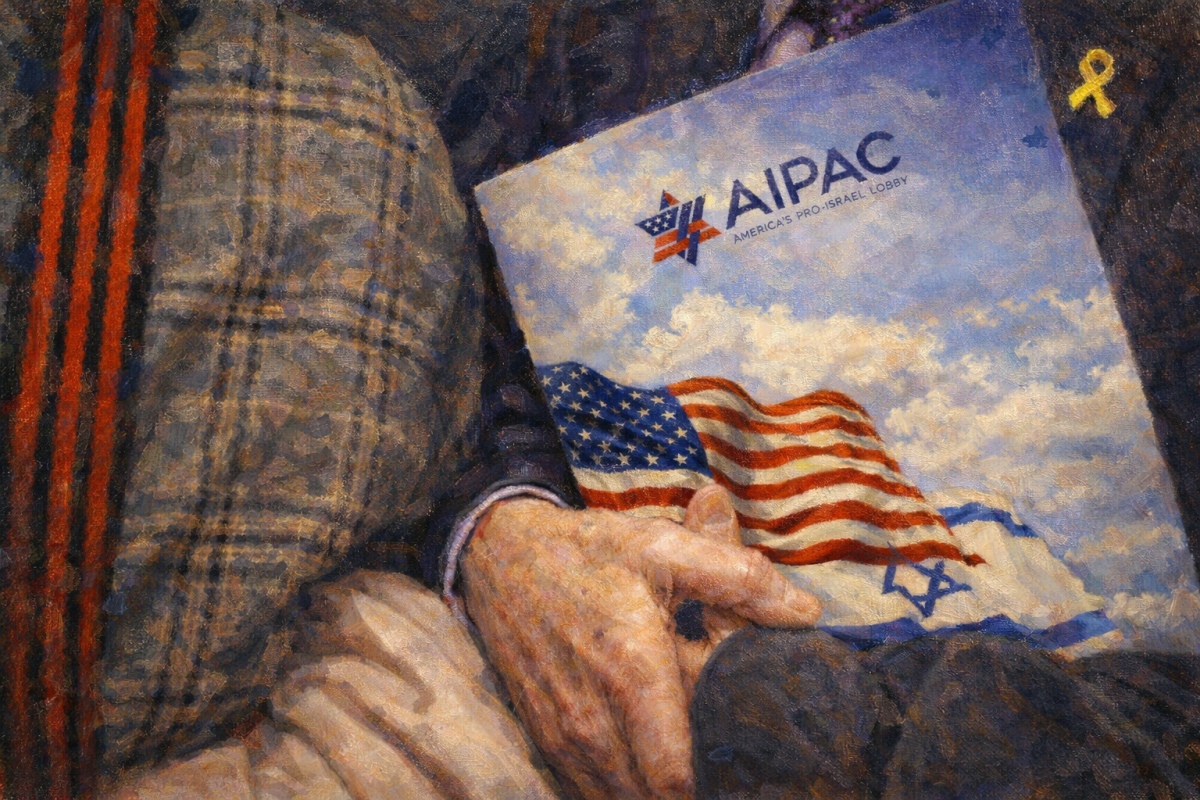
The money surrounding the race makes the result even harder to dismiss. AIPAC openly states that its political operation is intended to help keep Congress pro-Israel, while United Democracy Project serves as the organization’s super PAC in congressional elections. Federal Election Commission records show that UDP had received nearly $104 million through June 30 and reported almost $28 million in independent expenditures. None of that spending is secret or illegal. But legality does not make its democratic consequences unworthy of scrutiny. When an organization built around maintaining U.S. support for a foreign government can spend at a scale that many candidates could never approach themselves, voters are entitled to ask how much influence that money buys over the boundaries of acceptable debate in Congress.
Related stories
Michigan does not prove that AIPAC has suddenly lost its influence. It clearly has not. What the result suggests is something more modest but potentially more important: candidates may no longer be automatically disqualified for challenging the assumptions that have governed the U.S.-Israel relationship for decades. Money can still shape a race, overwhelm local messaging and make criticism politically expensive, but it cannot guarantee that voters will follow.
Florida may offer another glimpse of the same tension. The state holds its primary on August 18, and just days before voting, a Fort Lauderdale venue canceled an event featuring Rep. Rashida Tlaib alongside Democratic candidates Angie Nixon, Elijah Manley and Oliver Larkin after controversy over Tlaib’s criticism of Israel. The rally was eventually moved elsewhere, but the episode was familiar. Rather than debating U.S. military assistance or Israeli government policy on their merits, political pressure once again shifted attention toward whether the people raising those questions should be considered acceptable participants in mainstream politics.
The difficulty for that approach is that public opinion has moved. Pew Research Center found that 62 percent of Americans now hold an unfavorable view of the Israeli government. Among Democrats and Democratic-leaning independents, only 16 percent view it favorably. Washington’s traditional assumption that unconditional alignment with the Israeli government is politically safer than questioning it looks increasingly disconnected from the voters that Democratic candidates need to win.
That disconnect matters even more while the United States remains involved in a costly war with Iran. Americans are being asked to absorb higher costs at home while Washington commits resources to another Middle Eastern conflict and continues treating military support for Israel as largely insulated from the scrutiny applied to other foreign-policy commitments. Voters do not need to be foreign-policy specialists to recognize the contradiction. They can see what they pay at the pump, what Congress chooses to fund and how much money is poured into elections when candidates challenge the existing consensus.
The 2026 midterms will not suddenly dismantle Washington’s long reliance on military power, nor will one primary defeat erase AIPAC’s considerable influence. But the political protection surrounding both is beginning to look less secure. If candidates who question war and unconditional support for Israel can survive heavily financed efforts to defeat them—and if voters increasingly associate those policies with costs they feel in their own lives—then support for the status quo may itself become an electoral liability. That would be a significant change in American politics, not because Washington has suddenly become antiwar, but because more voters appear willing to make politicians answer for the wars they choose to support.
Comments

Powered by RoundtableAn AI/DeFi-powered Enterprise Media Operating System. Learn more at Roundtable.io.© Roundtable 2026. By using this site you agree to the Terms of Use and Privacy Policy