


Jun 6, 2025 4:35 PM
Updated Jun 11, 2025 11:17 PM
Erasure and censorship of Palestinians and Palestinian narratives is a denial of Palestinian humanity.
Erasure and censorship of Palestinians and Palestinian narratives is a denial of Palestinian humanity.More Videos
There is a veritable battle in US schools over if and how to teach about the Middle East. But the disagreement isn’t between people who want to teach a pro-Palestinian view and those who want to teach a pro-Israeli view. It is between those who want to teach the truth and those who want to silence it.
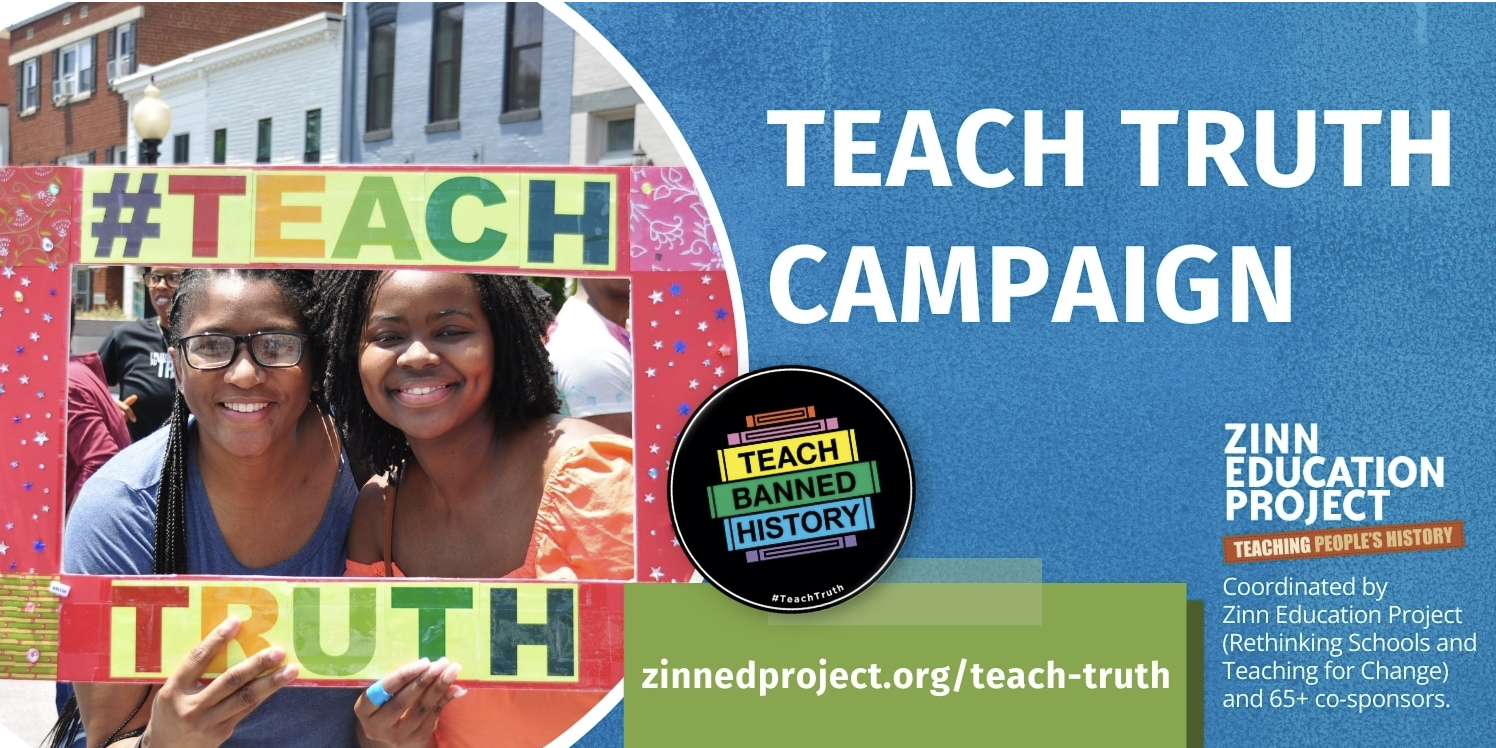
“Teach Truth” is a phrase and movement that emerged in response to right-wing efforts to silence teaching about racism in the United States. The driving idea is that if students know the truth about historical structural inequality, they will understand that it doesn’t serve their interests, no matter who they are, and they will be motivated to change it. In a society that peddles falsehoods to perpetuate the status quo, the truth is disruptive, even dangerous, to those who benefit from inequality.
More than half of all K-12 students in the United States already study in schools where law restricts the teaching of the truth. In Florida, for example, there are five books that if mentioned by a teacher constitute a felony violation punishable by up to five years in prison. When Palestine comes up in the classroom, teachers may be smeared by false accusations of antisemitism, causing severe disruption to their careers and lives. And given recent abductions and deportations of students and teachers by the Trump administration, it seems sure that attacks on teaching and learning will increase.
The purpose of this censorship is to prevent students from accessing materials and inquiry that would support their critical thinking. Looked at this way, censorship of Black history clearly doesn’t harm only Black students, it harms all students, and the same dynamic can be seen in the fight over the teaching of current events in Palestine/Israel.
Related stories
Erasure and censorship of Palestinians and Palestinian narratives is a denial of Palestinian humanity. Palestinian students and teachers who are dehumanized in K-12 schools are harmed, and their dehumanization leads to more harm, including the active and passive support of U.S. taxpayers in the 19-month-long slaughter of Palestinians in Gaza and the West Bank. Moreover, students who do not learn Palestinian history, who do not respect the humanity of Palestinians, and who cannot engage respectfully with Palestinian narratives cannot be effective U.S. or global citizens. But too many teachers still think that teaching about Palestinians is somehow anti-Jewish, as if legitimacy is a fixed resource and any inclusion of Palestinians comes at the expense of Jews.
To get past this two-sides default, it may help to consider how other groups have resisted erasure in K-12 education, for example, by considering the trajectory of teaching about Black history.
There was a time when African Americans were excluded not only from K-12 curriculum and books, but from schools altogether. The fight for education for Black students was a fight for public education, and the success of the Black movement for education had far ranging benefits for all students. There was also a time when African Americans were included, but only in racist and dehumanizing ways. The fight for dignity for Blacks in U.S. education also had far ranging benefits for all students, although these fights are incomplete and, in fact, always under attack.
The movement for inclusion of Palestinians in K-12 education is even further behind. Teachers often normalize unconditional support for Zionism, the political ideology that advocates for a Jewish ethno-state, succumbing to the decades of “single story” materials, professional development and lobbying by political advocacy groups like the problematic Anti-Defamation League (ADL), the Institute for Curriculum Services, among others. This results in multifaceted erasure in curriculum, books, and student support. One way Palestine gets sidelined is by treating it only as an “international” issue of secondary importance, even though the United States is a major player in Palestinian and Israeli affairs, and the issues are playing out in U.S. schools on a daily basis.
Or, in an attempt to stay “neutral,” teachers may default to a “both sides” approach that equates colonized and colonizer, racist and antiracist–and hides the reality that there are actually multiple narratives, not just two. Today, while no reputable educator would claim that Black equality hurts white students, many still fall prey to the erroneous zero-sum thinking that suggests that uplifting Palestinian humanity threatens Israeli and other Jews. These same educators understand slavery as an institution of structural inequality and would never teach anti-slavery and pro-slavery arguments as two legitimate sides of a “conflict,” they continue to do so in terms of the colonization of Palestine.
Human rights, including Palestinian rights, should not be considered “controversial” and subject to debate or, even worse, erasure. Just as climate change is now considered settled science, #TeachTruth requires teachers to stop equating all narratives when teaching about Palestine, as if students should formulate their own opinions about what happened in 1948 or 1967 or 2023, without regard to known facts.
The only way out of the conundrum of teaching about Palestine and Israel is to teach the truth and simultaneously insist on uncompromised regard for the humanity of all students and all communities. Teaching the facts–including about colonialism (whether in the US or Palestine), racism, and war–does not diminish anyone’s inherent value as human beings. In fact, teaching truth is a way to reckon with past and present violations of rights and repair relationships so that no person or group needs to live in fear or ignorance. The truth uplifts every human being.
Teaching the truth about Palestine and Israel may be difficult, but educators know how to engage students on difficult topics as long as they are allowed, supported and protected for doing so. The Teach Truth Day of Action is a perfect time to make this a priority.
Comments

Powered by RoundtableAn AI/DeFi-powered Enterprise Media Operating System. Learn more at Roundtable.io.© Roundtable 2026. By using this site you agree to the Terms of Use and Privacy Policy