
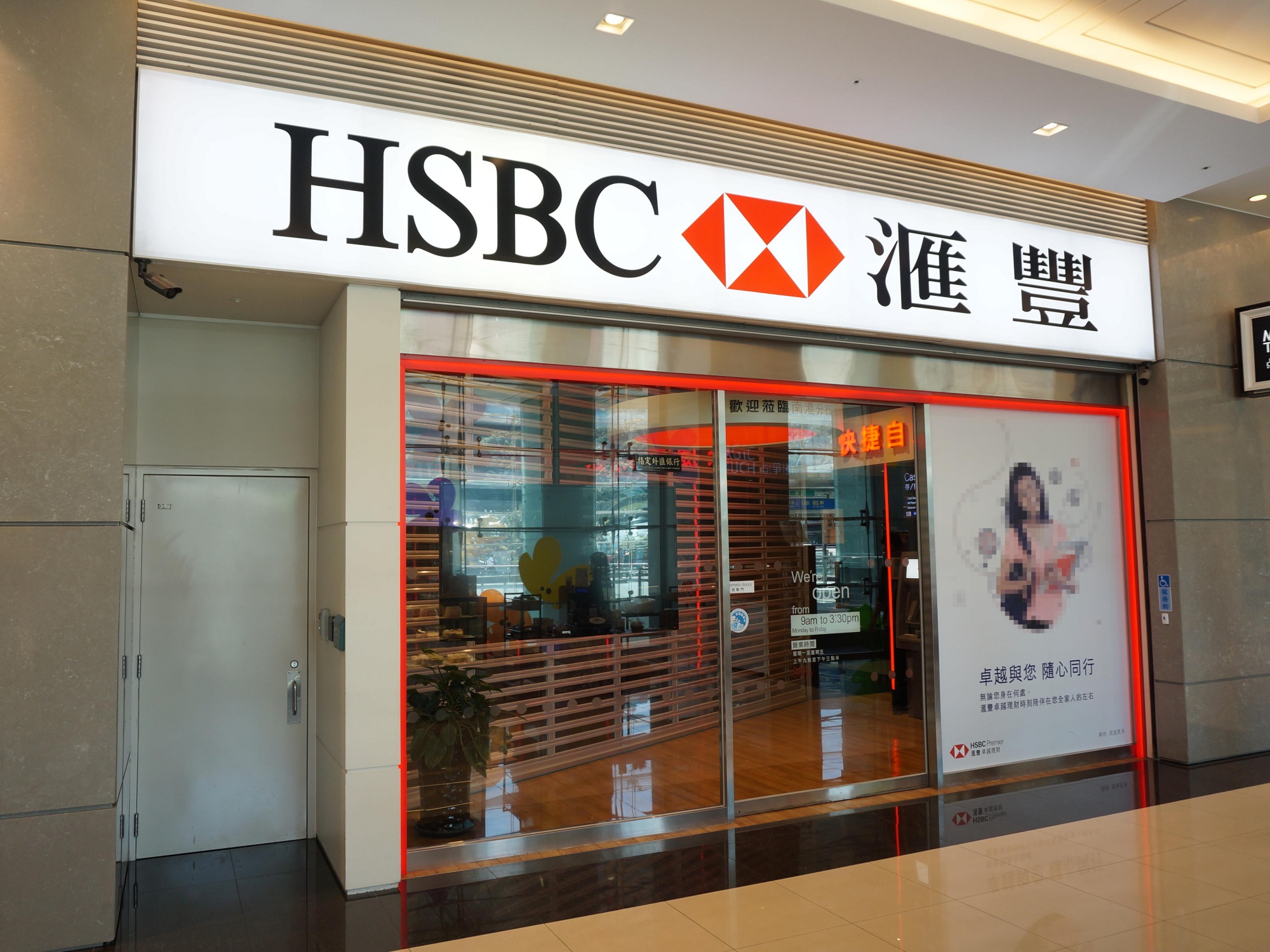
Solomon203, CC BY-SA 4.0, via Wikimedia Commons


After the drug lords lost Wachovia, they found a new friend in HSBC who admitted it had turned a blind eye to drug money laundering to the tune of $60 trillion.
Sep 13, 2024 3:17 AM
After the drug lords lost Wachovia, they found a new friend in HSBC who admitted it had turned a blind eye to drug money laundering to the tune of $60 trillion.
“The real truth of the matter is, as you and I know, that a financial element in the large centers has owned the government ever since the days of Andrew Jackson.”
-FDR
In the 1980s, after the S&L crisis, over 1,100 bankers were prosecuted criminally. After the most serious financial meltdown in decades in 2008, only one banker went to jail — an Egyptian national for concealing losses to investors.
This new banker immunity did not happen by accident.
Bankers understood where the real power lies in government and set about to get it. It’s not with the politicians or in Congress. It is in control of the civil servants who interpret and implement the laws.
Related stories
Because of the division of powers in government, the Attorney General has the sole power to decide to prosecute or not, and can act independently of the wishes of Congress or the president. In this chapter and the next, we will see how the DOJ defied even the wishes of Congress to give bankers their continuing get out of jail free card.
By 2008, the public was powerless, the politicians were powerless; the bankers had planned well in advance.
The Beginning of the New Immunity
In March 2010 Wachovia admitted to laundering $373 billion for the Sinaloa Drug Cartel of Shorty Guzman fame. Lanny Breuer, Assistant Attorney General for the Criminal Division of the U.S. Department of Justice, had sued Wachovia in a civil lawsuit.
Then he negotiated a sweetheart deal so that Wachovia paid a fine of $160 million and was given a non-prosecution agreement which stated that no criminal charges would be laid if Wachovia did not commit a criminal offence for another year.
No banker was charged or suffered any penalty. The bankers involved in the money laundering of billions kept every cent. A precedent was set.
The Drug Lords Found a New Banker
After the drug lords lost Wachovia, they found a new friend in HSBC (The Hong Kong and Shanghai Banking Corporation).
When HSBC money laundering allegations surfaced in 2011, the U.S. Senate Permanent Committee on Investigations of Homeland Security and Government Affairs investigated this possible money laundering for about a year. The committee found so many criminal violations, in addition to laundering for Mexican drug cartels, that the table of contents listing the issues and evidence was 3 pages long.
Exactly how extensive was HSBC in facilitating crime? Jack Blum, a former Senate investigator, commented on the findings in the report:
“They [HSBC] violated every goddamn law in the book. They took every imaginable form of illegal and illicit business.".
The Senate report was intended to be a thunderbolt hurled by the infuriated senators at the complicit U.S. regulators, as well as the lawless banks. The committee found against HSBC:
• Money laundering for drug lords
• Money laundering for terrorist financiers, including al Qaeda
• Money laundering for organized crime, especially Russian
• Stripping data to assist in avoiding economic sanctions for countries such as Iran
• Providing banking services, including providing U.S. dollars, to banks in Saudi Arabia and Pakistan that had known links to terrorist organizations
The evidence was so complete, a first-year lawyer could have gotten convictions of a number of executives.
Ultimately, the drug lords’ new bank admitted that it had turned a blind eye to drug money laundering to the tune of $60 trillion (yes, we're no longer talking billions) in wire transfers in a three-year period. That's a global figure; meaning it was for looking the other way for any drug lord that wanted to use its system—only $670 billion came from Mexico. That $60 trillion is approximately 85% of the entire world's GDP in 2012. Think of the banker bonuses earned and kept.
And please note: The banks did their scrubbing in the period overlapping with the 2008 crisis.
What happened to HSBC will be covered in the next chapter.
Comments

Powered by RoundtableAn AI/DeFi-powered Enterprise Media Operating System. Learn more at Roundtable.io.© Roundtable 2026. By using this site you agree to the Terms of Use and Privacy Policy