
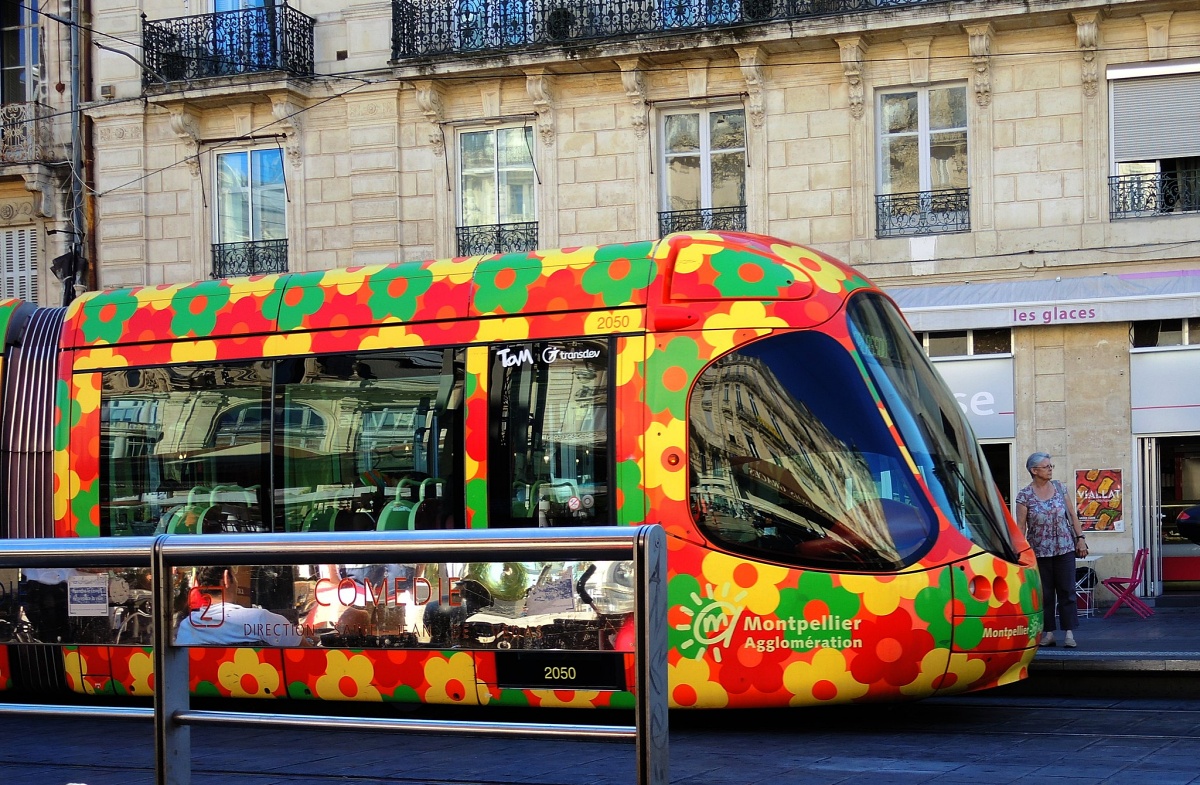
Güldem Üstün • Attribution (CC BY 2.0) • Flickr


Free Public Transport
Jan 6, 2024 5:32 PM
Beyond the economic gains, the move toward free public transport aligns with LA's commitment to creating a healthier urban environment.
In a forward-thinking disruption from outdated urban mobility norms, Montpellier, France, has become the latest major city offering free public transport to its residents. With a move that resonates with ongoing efforts to address Los Angeles' notorious traffic gridlock, Montpellier made the shift to free public transport, sparking local conversations about the potential economic advantages of a similar initiative closer to home. With success stories emerging from existing models in the USA, the prospect of untangling LA's traffic congestion dilemma, while solving other problems at the same time, takes center stage.
Economic Productivity in the City of Angels
Los Angeles is a major metropolis that grapples with an annual productivity loss of a staggering $9 billion due to traffic jams. Each L.A. commuter wastes an average of 119 hours in traffic, resulting in an estimated cost of $2,400 per driver in lost time and fuel expenses. With this situation continuing unabated for well over 50 years, it’s long past time for City leaders to take bold visionary steps to eradicate wasted time and money, clean L.A.’s horribly polluted air, boost our economy, and follow the lead of successful free-transport cities in their transformative shift to the world of transit.
Inspired by Montpellier's vision, local authorities should plan for and implement free public transport as a strategic move to alleviate economic burdens caused especially in health care costs and lost productivity caused by needless gridlock. By tapping into the success stories of cities like Kansas City and Austin, where various fare-free transit initiatives have proven effective, LA must aim to replicate the economic productivity gains witnessed in these urban centers.
According to urban economist Dr. Lisa Thompson, "The numbers speak for themselves. Cities in the U.S. that have embraced free public transport models have experienced notable reductions in traffic congestion and subsequent gains in economic productivity. This is a proven pathway for LA to unlock its economic potential."
Related stories
Healthier Angelenos, Wealthier City
Beyond the economic gains, the move toward free public transport aligns with LA's commitment to creating a healthier urban environment. Air pollution, often linked to smog-related health issues, imposes a significant healthcare burden on the city. The success stories of cities like Tallinn, Estonia, and Olympia, Washington, where free public transport has led to improved air quality and reduced healthcare costs, are compelling arguments for LA to consider.
A recent California study shows that transitioning away from fossil fueled transport is expected to generate $26.6 billion in health savings from reduced asthma attacks, emergency room visits and respiratory illnesses.
A recent California study shows that transitioning away from fossil fueled transport is expected to generate $26.6 billion in health savings from reduced asthma attacks, emergency room visits and respiratory illnesses. L.A. City experts say that the decreasing air quality is some of the worst in the country, and a Riverside study revealed that asthma from air pollution costs families $4,008 a year. L.A. taxpayers are forking out billions in smog related healthcare costs, and thousands of lives are lost in the city annually due to car exhaust related respiratory illnesses.
Funding the Future of LA Transit
Addressing the funding aspect, LA can look to dozens of successful existing U.S. models for inspiration. Cities like Chapel Hill, North Carolina, have successfully implemented fare-free transit through a combination of local government funding, grants, and private partnerships. Such a model could potentially alleviate concerns about the financial feasibility of offering free public transport, without even considering productivity gains and health care savings in the billions of dollars. Together, all of these funding sources can provide a clear roadmap for LA's transit funding.
As Montpellier's recent free-fare decision reverberates among transportation experts, Los Angeles could stand at the forefront of a transit revolution. With concrete examples from U.S. cities showcasing economic benefits and improved quality of life, the prospect of free public transport emerges not only as a visionary solution to LA's traffic woes but as a transformative force that aligns with the city's economic and health aspirations.
Especially as it rethinks transport for hosting the world at the 2028 Olympics and World Cup, it’s time for L.A.’s politicians to implement the economic, health and environmental win-win solution of free-fare public transport for all.
Comments

Powered by RoundtableAn AI/DeFi-powered Enterprise Media Operating System. Learn more at Roundtable.io.© Roundtable 2026. By using this site you agree to the Terms of Use and Privacy Policy