


Jan 21, 2026 2:44 AM
Updated Jan 21, 2026 7:34 PM
Why DOJ can walk away from recorded cash exchanges—and how U.S. ethics standards keep eroding
Thomas Douglas Tom Homan’s trajectory — from a small-town police officer to one of the most powerful unelected enforcers of U.S. immigration policy — underscores a critical fault line in American governance: when enforcement power concentrates without robust accountability, the risks of corruption and cronyism rise with it.
Born in West Carthage, New York, in 1961, Homan began his career in law enforcement in 1983 as a local police officer before joining federal immigration enforcement in 1984. Over three decades, he worked as a Border Patrol agent, investigator, and supervisory official with the Immigration and Naturalization Service and later Immigration and Customs Enforcement (ICE), rising steadily through the ranks. By 2013 under President Barack Obama, he had become the executive associate director of Enforcement and Removal Operations for ICE — a role that made him one of the top immigration enforcers in the country and earned him the Presidential Rank Award for Distinguished Executive.
In 2017, President Donald Trump appointed Homan acting director of ICE, a post he held until 2018. His tenure was marked by a hardline enforcement agenda and a 38 percent increase in deportations in his first months at the helm, reflective of his belief that strict enforcement and deterrence were central to border policy. After retiring from federal service, Homan became a commentator and policy figure, contributing to media outlets and think tanks aligned with conservative immigration enforcement.
In 2025, as Donald Trump’s second presidential administration took office, Homan returned to government as White House “Border Czar” — officially the White House Executive Associate Director of Enforcement and Removal Operations — with a mandate to tighten U.S. border controls and oversee deportation and security strategies.
Related stories
The $50,000 FBI Sting: What Happened
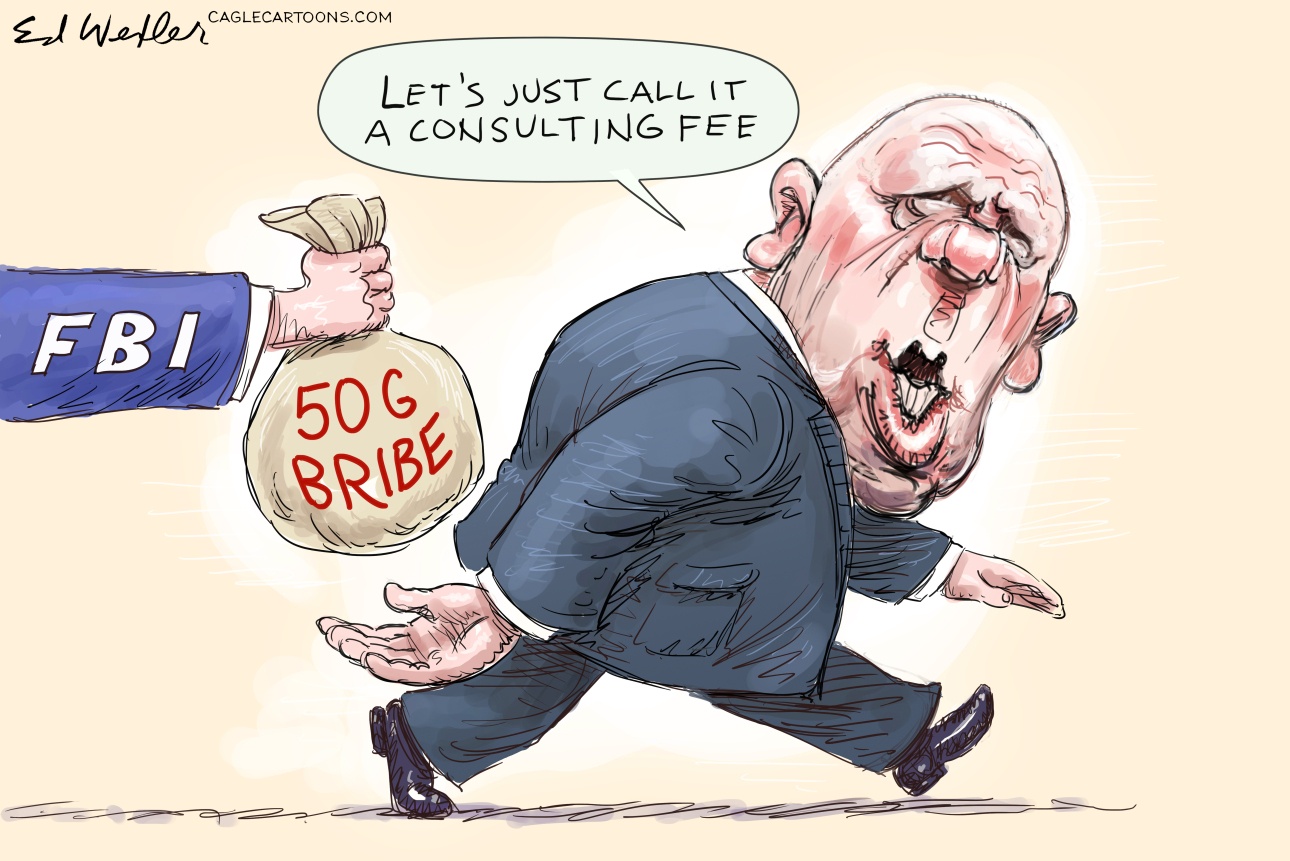
In late 2024, a federal undercover operation thrust Homan into controversy. According to multiple reports based on law enforcement sources, Homan was recorded accepting $50,000 in cash from undercover FBI agents posing as business executives. The interactions allegedly included Homan indicating he could help these operatives win government contracts related to immigration enforcement if Trump won the 2024 election.
The sting operation evolved out of a broader public corruption investigation. Agents reportedly documented the exchange, and the unusual nature of the case drew bipartisan attention because it involved a high-profile political appointee rather than low-level contractors.
However, justice officials ultimately closed the investigation in 2025, with the Department of Justice asserting there was “no credible evidence” of criminal wrongdoing. DOJ leadership, along with the FBI, said prosecutors did not believe the facts would support charging Homan. White House officials framed the probe as politically motivated, and Homan denied ever taking the money.
Denials, Deflections, and Political Reality
Homan’s public response has been consistent: he denies he accepted a bribe and characterizes the reporting as a “hit piece,” emphasizing that he recused himself from contract decisions due to prior consulting and took a significant pay cut to re-enter government service.
The White House, including Press Secretary Karoline Leavitt, echoed that Homan “never took $50,000” and that there’s no evidence of wrongdoing — despite reporting that federal agents recorded the cash exchange.
Critics aren’t convinced. Ethical watchdogs and Congressional Democrats have pressed for transparency over how Homan was vetted and how he obtained a security clearance despite red flags about the FBI probe. Letters from lawmakers have demanded answers about who on the Trump transition team knew about the investigation and why it did not derail his appointment.
Why This Matters Beyond Personal Reputation
This episode is not a trivial scandal — it’s symptomatic of deeper governance challenges that go well beyond one man’s career:
- Accountability Gaps: When an administration can shut down an ongoing federal investigation into a senior official’s conduct without public clarity on evidence or outcomes, it fuels perceptions that political allegiance trumps rule of law.
- Public Trust: Corruption — or the perception of corruption — erodes confidence in democratic institutions. When a “border czar” is seen in the same frame as cash-for-contracts schemes, even unproven ones, it damages trust in immigration policy, contracting, and enforcement.
- Power and Influence: The revolving door between public office, consulting, and advocacy — especially in sectors like immigration enforcement where government spending is large — creates fertile ground for conflicts of interest, real or perceived.
Homan’s case demonstrates how individuals with decades of experience can be enmeshed in ambiguity: lauded for expertise and service, yet ensnared in narratives of influence peddling without definitive resolution. For reformers and watchdogs focused on corruption and democratic accountability, the focus now isn’t just on what did happen, but on whether the systems designed to prevent corruption are strong enough to deter the next one. This is a test not just of Homan’s reputation, but of U.S. institutions’ resilience.
Comments

Powered by RoundtableAn AI/DeFi-powered Enterprise Media Operating System. Learn more at Roundtable.io.© Roundtable 2026. By using this site you agree to the Terms of Use and Privacy Policy