


Dec 18, 2025 4:33 AM
Updated Dec 21, 2025 3:47 PM
How Today’s Supreme Court Is Rewriting Executive Power
As the Supreme Court signals an unprecedented embrace of near-boundless presidential authority, many Americans are asking: Is this what the Founders intended? The answer, as Jeffrey Rosen reminds us in The Pursuit of Liberty, is a resounding no. The men who wrote and debated the Constitution disagreed about many things, but on one point they were nearly unanimous: unchecked executive power was a danger to liberty.
Yet today’s Court—particularly its most conservative members—has begun to articulate a new theory: that a president may be functionally immune from judicial review, criminal liability, and meaningful limits on the use of force or federal power. This is not constitutional originalism. It is a historical inversion.
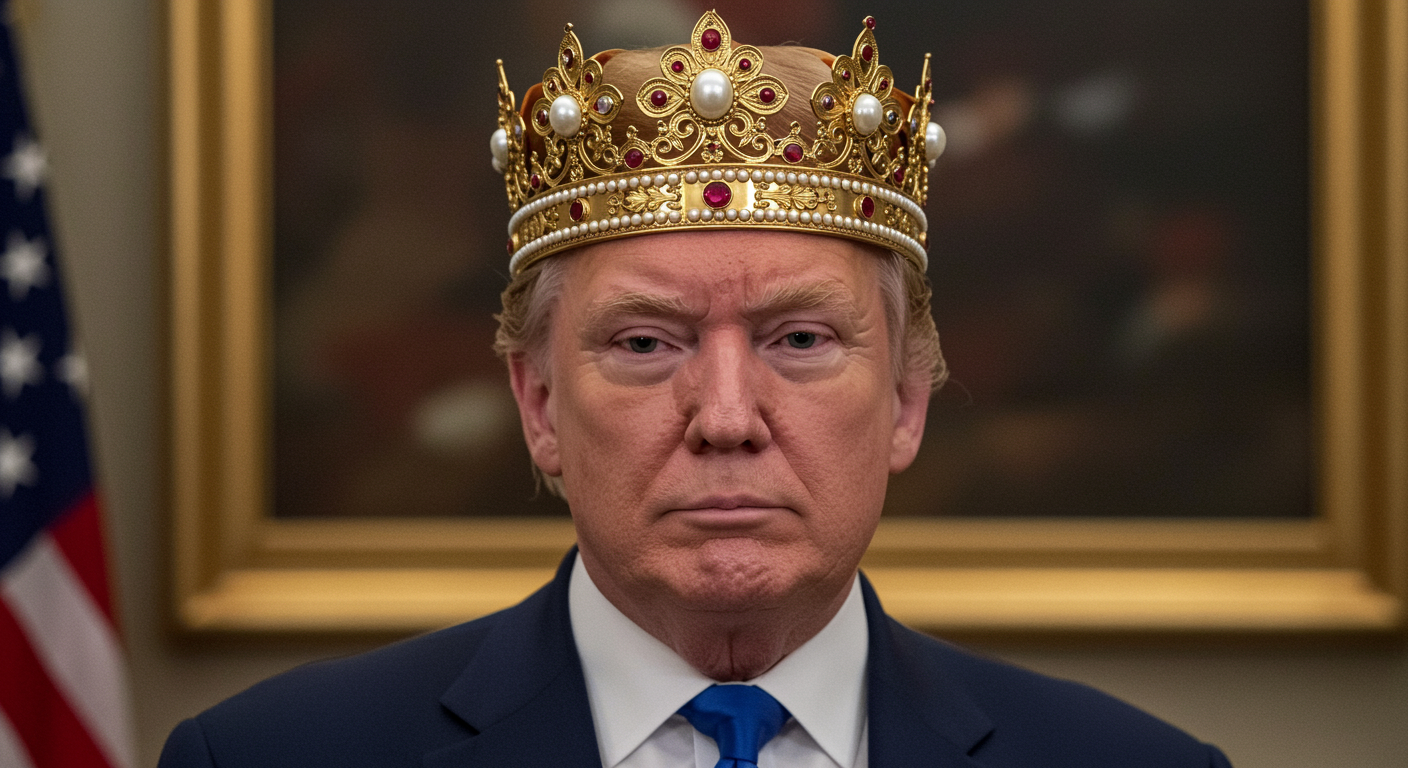
The Founders’ Real Fear: The Rise of a New King
The Founders were shaped by lived memory of monarchical abuse. They built a presidency designed to be strong but bounded. Congress controls funding, war, impeachment, and lawmaking. The courts interpret and restrain executive actions. The president executes the laws, not his will.
Enemies of the Founders Wanted What Today’s Court Is Offering
In the 1790s and early 1800s, it was not the Founders but their opponents who imagined a nearly sovereign executive. These positions were rejected because they resembled the British crown too closely.
Related stories
Presidential Immunity: A Modern Legal Mutation
For most of American history, the Court viewed presidential power cautiously: in the Burr trial, Youngstown, and U.S. v. Nixon. Each affirmed that the president is powerful but not above the law.
Jeffrey Rosen’s Warning: Liberty Requires Limits
Rosen argues that liberty survives only when ambition checks ambition. The danger today is that the Court itself is driving imbalance, empowering the presidency beyond constitutional boundaries.
What the Founders Would Say Today
A system that depends on the personal virtue of a president is not a system at all. Hamilton would warn that unchecked power invites tyranny. Jefferson would recognize the very prerogative he denounced in George III.
The Stakes Could Not Be Higher
The presidency is not a throne. Accountability is not optional. Liberty depends on limits.
*The Pursuit of Liberty* by Jeffrey Rosen
Hamilton, Jefferson, and the Enduring Constitutional Struggle in the Age of Trump
Comments

Powered by RoundtableAn AI/DeFi-powered Enterprise Media Operating System. Learn more at Roundtable.io.© Roundtable 2026. By using this site you agree to the Terms of Use and Privacy Policy