


Jan 31, 2025 10:13 PM
Does the loss of community spaces translate into the loss of community especially while attempting to realize disaster recovery
The Disappearance of Public Space: A Threat to Community and Democracy
In an era where digital communication has reached unprecedented heights, the physical spaces that once served as communal gathering points are vanishing. Social media and other technologies have facilitated global connections, yet paradoxically, they have also contributed to the fragmentation of shared experiences and public discourse. Unlike in historical times, when town squares and open forums allowed people to engage with one another, the erosion of public spaces has led to a decline in face-to-face interactions and the loss of vital community bonds.
Many scholars and urban planners argue that the decades-long reduction of public spaces represents an existential threat to democracy. Historian Myles Zhang, in his article The Privatization of Public Space in Lower Manhattan, outlines three primary forces responsible for this decline:
- The Invention of the Mass-Produced Car: The affordability and widespread adoption of personal vehicles reduced reliance on public transit, weakening the communal nature of city life.
- The Rise of Suburbanization: The flight from urban centers to suburban neighborhoods, encouraged by corporate interests and enabled by automobile culture, shifted social interactions away from shared public environments.
- The Expansion of Surveillance Technologies: As governments and private entities collect, store, and analyze vast amounts of data from public spaces, people may feel deterred from gathering in these areas, further diminishing their use.
The Consequences of Losing Public Spaces
The impact of this shift is evident in various aspects of society, including disaster recovery efforts. In the wake of natural catastrophes, public spaces have traditionally played a crucial role in fostering community resilience. Today, however, with the decline of accessible gathering places, recovery efforts face additional challenges.
Related stories
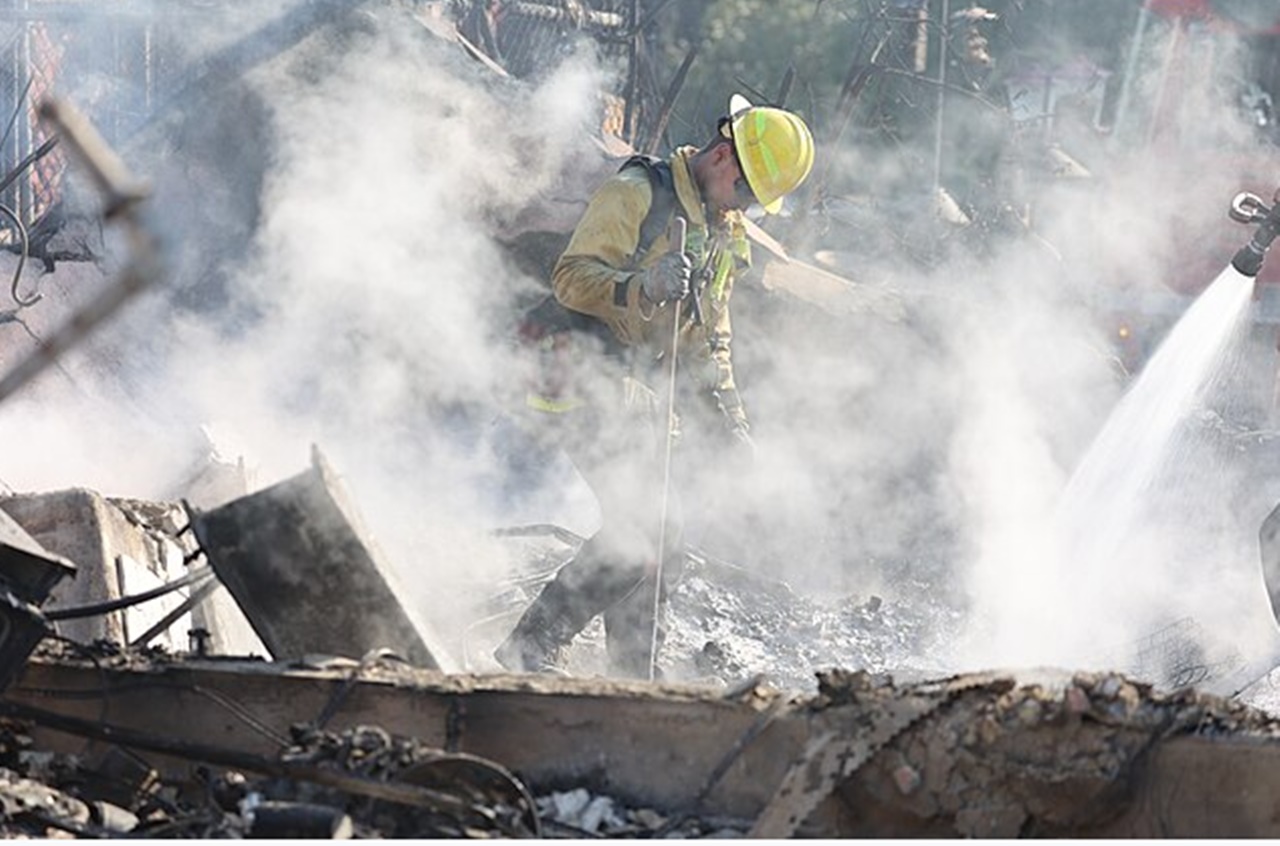
A current example is unfolding in Southern California. January 2025 will be remembered as one of the most devastating months in Los Angeles’ history due to the Eaton, Palisades, and other fires in the region, which displaced thousands of residents. Survivors, particularly from Altadena, have been scattered across the region, struggling to navigate recovery efforts without a centralized public gathering place.
A Community-Driven Solution in Pasadena
In response to this crisis, a fire recovery hub has emerged organically at Pasadena Church. This community-driven initiative serves as a vital center for:
- Collecting and distributing donations
- Providing legal and housing assistance
- Offering emotional and spiritual support
Such grassroots efforts highlight the necessity of public gathering spaces in times of crisis. They serve as reminders that physical places for community engagement remain essential, even in an age dominated by digital communication.
Moving Forward: Reclaiming Public Space
The disappearance of public spaces is not inevitable. Communities can take proactive steps to preserve and reclaim these areas by:
- Advocating for policies that protect and expand public spaces
- Supporting urban designs that prioritize pedestrian-friendly environments
- Participating in local initiatives that promote community engagement
The Eaton Fire recovery hub exemplifies the resilience that can emerge when people come together, but it also underscores the urgent need to reinvest in communal spaces before they disappear entirely. If we are to sustain democratic values and social cohesion, we must recognize and address the consequences of an increasingly privatized world.
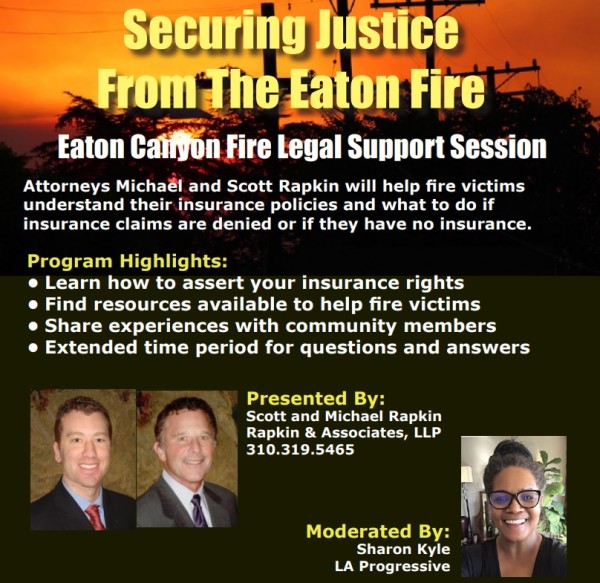
If you would like more information on how to donate, volunteer, or raise awareness for the survivors of the recent fires in the Altadena/Pasadena Eaton area, there will be an information exchange on Saturday, February 1, 2025 at Pasadena Church, 425 Sierra Madre Villa, Pasadena, from 3:00-5:00pm.
Comments

Powered by RoundtableAn AI/DeFi-powered Enterprise Media Operating System. Learn more at Roundtable.io.© Roundtable 2026. By using this site you agree to the Terms of Use and Privacy Policy