


Jul 20, 2021 3:00 PM
Updated Feb 10, 2022 10:53 PM
Devin Stein: Government agencies at the state and federal levels help us address urgent issues at times of crises, but these kinds of responses are less effective without prior local action to address first risk.
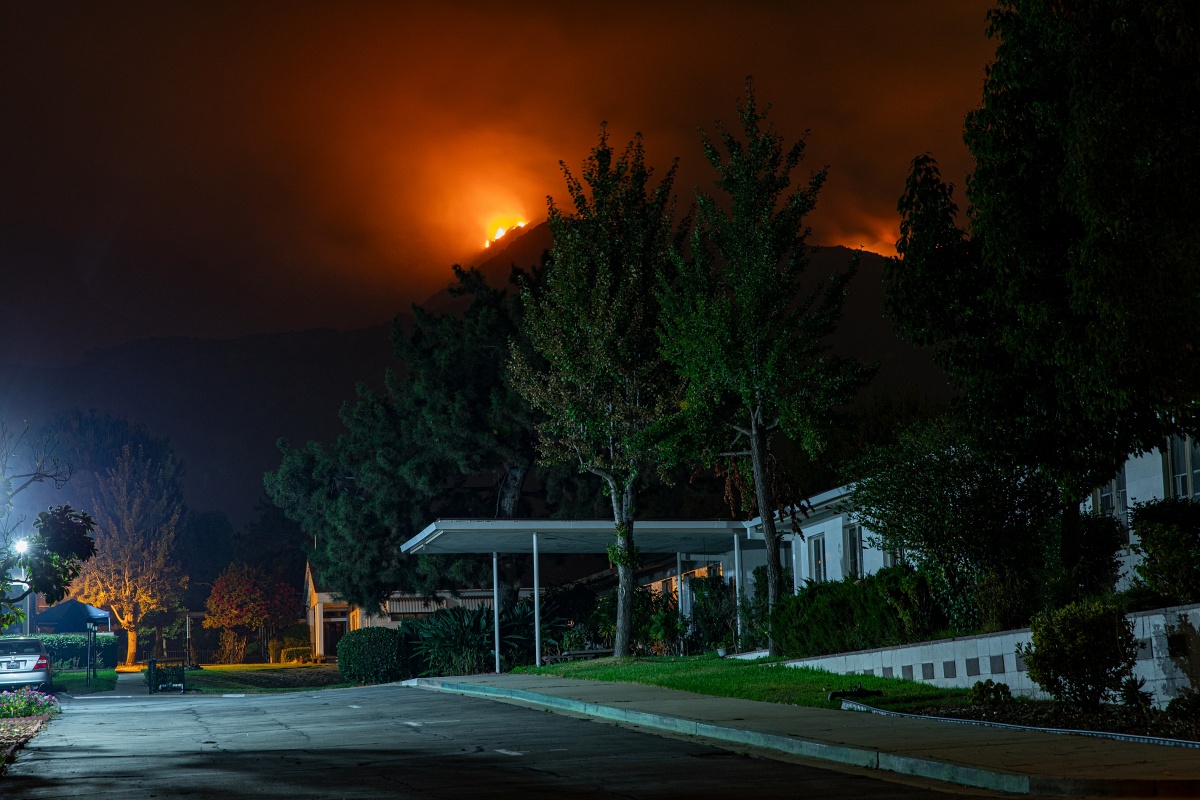
California is once again setting records for fires. It was just two years ago when a record-breaking season burned nearly two-million acres of land in California. This included the Camp Fire which burned more than 150 thousand acres alone and became the deadliest wildfire in the state’s history. Yet, this year fire season is far from over, and already experts say it’s on pace to be more catastrophic than 2020. And last year there were more than 26 times the number of acres burned compared to the previous year—and with September and October, typically the worst months for fires, yet to come.
Year after year we all watch California burn, with many record-breaking fire seasons occurring in the past decade alone. And we respond with increasingly expensive big-government firefighting. The state of California organized a jaw-droppingly massive response for last year’s equally massive fires, with more than 16 thousand firefighters trying to contain the more than five-thousand square miles of land being burned.
Government agencies at the state and federal levels help us address urgent issues at times of crises, but these kinds of responses are less effective without prior local action to address first risk.
Although these increasingly-severe wildfires may seem impossible to control, the surprising truth is that many communities can do a lot to protect themselves. Over the years, in fact, it has become clear that large-scale government responses alone cannot solve the problem. The solution is not just in fighting active fires, though we must do that, of course. The solution is also in community response teams that know how to reduce fire risk and mitigate the loss from fire when it happens.
Related stories
Wildfires happen and, unfortunately, they will continue to happen. However, unlike flash floods, hurricanes, and tornados, we can mitigate the impact and spread of fires. The evidence suggests that communities that attempt to reduce their exposure to wildfires may see less destruction than those that rely on big government alone. Government agencies at the state and federal levels help us address urgent issues at times of crises, but these kinds of responses are less effective without prior local action to address first risk. Choosing to rely on Sacramento once the state is burning bypasses the very communities who are most affected, communities that can and should play a critical role in responding to fire risk.
In recent years, many communities in California have developed Community Wildfire Prevention Plans. Our ongoing research suggests that communities that develop such plans and explicitly determine their community objectives, especially alongside government actors, tend to see fewer losses than those that rely solely on government responses in times of crises. This is because communities are able to combine state-level fire-fighting expertise with their local and specific knowledge to develop innovative solutions to the growing risk of wildfires.
Rather than rely on one-size-fits-all solutions, many volunteer organizations across California have learned to look for creative ways to reduce fire risk by educating and learning from local citizens. A homeowner’s association might know when it might be better to construct a reservoir to block future fires then to attempt to clear forestland. In this and a thousand other ways decisions that can only be made locally can lead to less fire, less fire damage, and less loss of life from wildfires. These are decisions for volunteer fire departments, community boards, homeowners’ associations, and other local, community-based groups. Finding such solutions can strengthen community support for fire prevention and damage mitigation.

Californians clearly need a new approach to fire risk. There is a better way: addressing fire prevention locally and leveraging local knowledge. And when, local communities find better ways to prevent the spread of fire, it takes some of the burden off firefighters. State governments in California and other Western states should embrace and enact systems of shared management of fire risk. They should encourage a move away from a mentality of “that’s not my job,” to the development of a stronger sense of civic responsibility for sharing knowledge and working together to protect our communities. Without this, we are only adding fuel to an already dangerous fire.
Devin Stein
Comments

Powered by RoundtableAn AI/DeFi-powered Enterprise Media Operating System. Learn more at Roundtable.io.© Roundtable 2026. By using this site you agree to the Terms of Use and Privacy Policy