


Jan 18, 2025 9:52 PM
Updated Jan 19, 2025 12:22 AM
The conversation is a call to action for individuals, communities, and policymakers to prioritize ecological integrity and community well-being in the face of growing climate challenges.
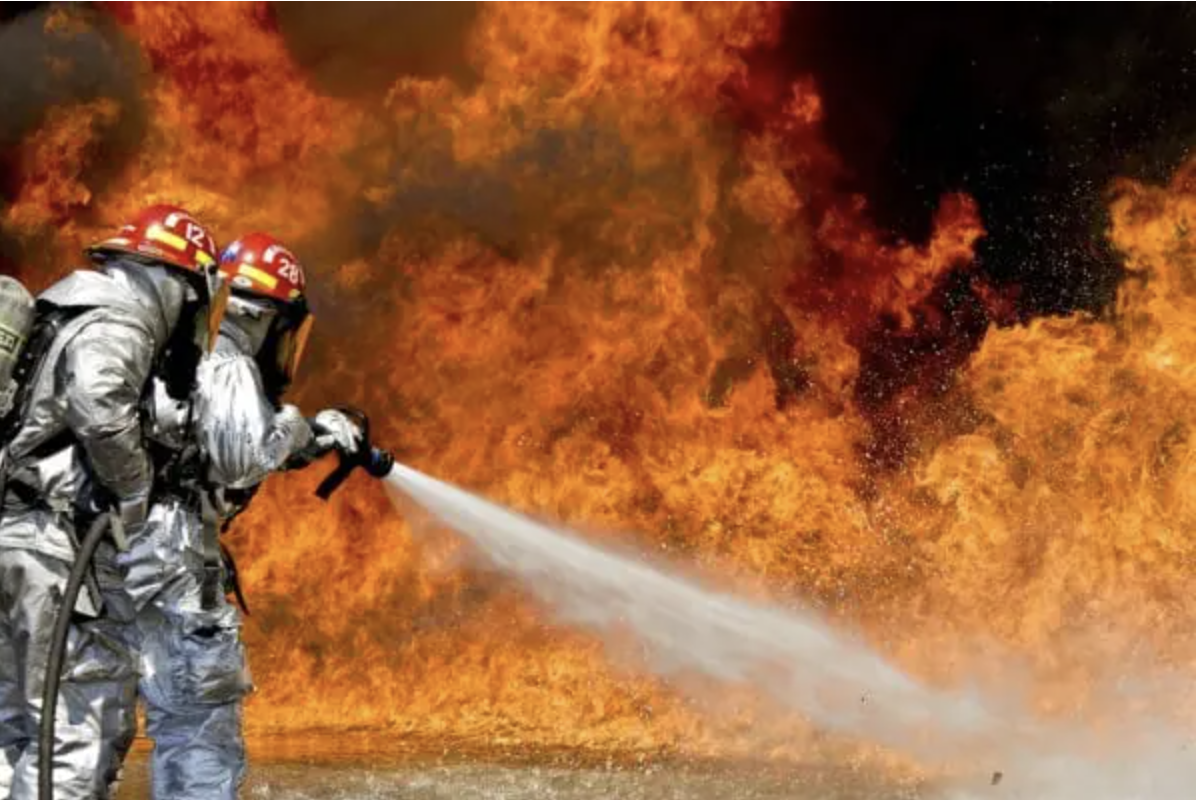
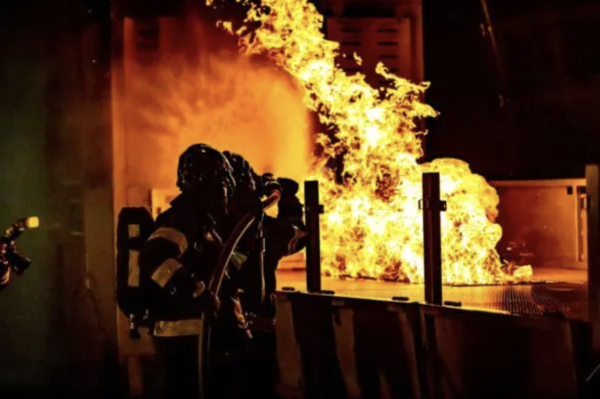
There has been an unprecedented siege upon our metropolis of Los Angeles this month. 24 deaths have been reported and 12,000 homes have been destroyed in the majority of two communities, Pacific Palisades and Altadena. Containment of these fires has progressed, but the destruction and threats are far from over. Effectively, no rain has fallen in eight months, we are halfway through our traditional rainy season, and no rain is in the foreseeable forecast. What is really not over is that this will keep happening, keep compounding.
Fueled by Santa Ana winds of up to 100 miles per hour and unusually bone-dry vegetation in what is typically a moist time of year, the Eaton, Palisades, and several other fires have spread from the wildlands into the communities.
“We have big fires for one reason and one reason alone. And that’s because of dryness, strong winds and humans igniting fires during the wrong time.” — Rick Halsey, California Chaparral Institute
In this episode, host Jack Eidt discusses the ongoing wildfire crisis in Los Angeles and strategies for resilience with experts Richard Halsey and Lydia Poncé. We also include a clip on the climatic influence from Dr. Daniel Swain from UCLA’s Institute of the Environment and Sustainability.
Related stories
Living Amid a Biodiverse Ecosystem Adapted to Fire
Richard Halsey, director of the California Chaparral Institute, a leading expert on the chaparral ecosystem, offers a critical perspective on current fire management strategies. He argues that instead of focusing on clearing natural habitats, efforts should be directed towards hardening homes and communities to coexist safely with the surrounding environment.
“What we need to do is look in the mirror and say, what is it about our lifestyle that’s causing us to lose thousands of homes and sometimes hundreds of lives a year in these fires.” — Rick Halsey
Halsey emphasizes the importance of understanding and preserving the chaparral, a unique plant community indigenous to Southern California, which is often misunderstood and unfairly labeled as mere “fuel” for fires. He advocates for strategic fire management that respects the ecological balance and supports biodiversity.
STORY: Defensible Space: My Wildfire-Appropriate Retrofit Journey
Community Resilience and the Indigenous Perspective
Indigenous activist Lydia Poncé brings a powerful voice to the conversation, highlighting the role of community resilience and mutual aid in the aftermath of wildfires. As a water protector with a long history of Indigenous-centered Indigenous activism.
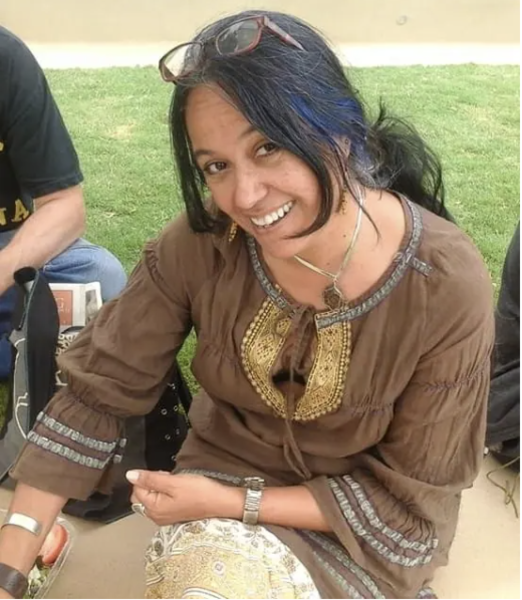
Lydia underscores the need for a collective response rooted in compassion and solidarity. She stresses the importance of supporting one another and building a network of care that transcends economic and social barriers. Lydia also calls for a reevaluation of development practices, urging for responsible urban planning that respects Indigenous knowledge and the natural landscape.
“We are the ones that have to care for each other and show up for each other in a good way with no strings attached.” — Lydia Poncé
We delve into the socio-political dynamics affecting relief efforts and the role of big corporations in the aftermath. Join us as we explore how to rebuild with compassion and foresight, as well as a comprehensive look at wildfire resilience and the role of Indigenous stewardship in preserving our ecosystems.
The Climate Connection
The episode also touches upon the broader implications of climate change, as explained by Dr. Daniel Swain from UCLA’s Institute for the Environment and Sustainability. Increasing frequency and intensity of wildfires are linked to prolonged droughts, extreme wind events, and human activities, all exacerbated by climate change. The discussion raises questions about the sustainability of current development practices and the need for a paradigm shift towards ecological stewardship.
“The climate aspect. Not every piece of this has a climate change fingerprint, but some pieces of this certainly do.” — Dr. Daniel Swain, UCLA
For an extended interview and other benefits, become an EcoJustice Radio patron at https://www.patreon.com/ecojusticeradio
The Way Forward
Listeners are invited to reflect on their relationship with the environment and consider how they can contribute to building a more resilient and sustainable future. The conversation is a call to action for individuals, communities, and policymakers to prioritize ecological integrity and community well-being in the face of growing climate challenges.
“All of this begs to bring us to our knees and bring us to our humanity.” — Lydia Poncé
For those interested in exploring these themes further, the episode offers a wealth of resources and insights from experts deeply engaged in the fight for environmental justice. Tune in to Eco Justice Radio for a compelling discussion on wildfire resilience and the paths forward for Los Angeles and beyond.
Resources
Comments

Powered by RoundtableAn AI/DeFi-powered Enterprise Media Operating System. Learn more at Roundtable.io.© Roundtable 2026. By using this site you agree to the Terms of Use and Privacy Policy