


Water Solutions
Dec 2, 2023 2:08 PM
Updated Feb 28, 2024 4:54 AM
As global warming will accelerate, it is imperative for the region to pursue multiple long-range solutions.
Given the 2022-23 winter and the filling of northern California reservoirs, millions in California falsely think the state water scarcity situation is over. But two-thirds of the people in the state live in Southern California which has no large reservoir.
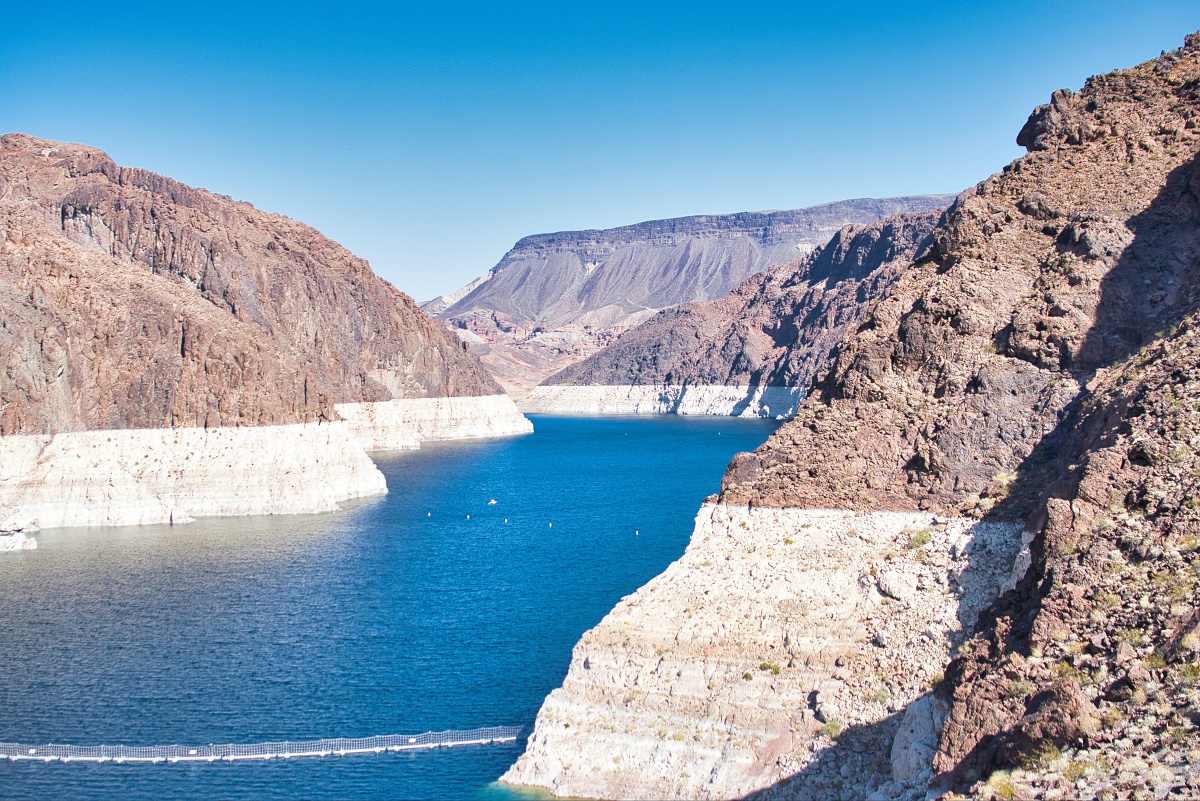
Lake Mead and Lake Powell (both on the northern Arizona border) are the two largest reservoirs in North America. Lake Mead's water capacity is 7.5 times larger than the capacity of Lake Oroville, the largest reservoir in California.
Lakes Mead and Powell supply southern California with electricity, water and a variety of food. Currently these reservoirs are, respectively, 34 and 37 percent full. (Figuratively, either lake is currently 100 percent empty as the remaining water could fit in the other lake without filling it.)
In 2014, NASA ground-penetrating radar showed aquifers in the Colorado River (CR) region lost an amount of water greater than a full Lake Mead. Now, with more years of groundwater pumping and greater aridity, aquifers may have lost another amount of water equal to a full Lake Mead.
Related stories
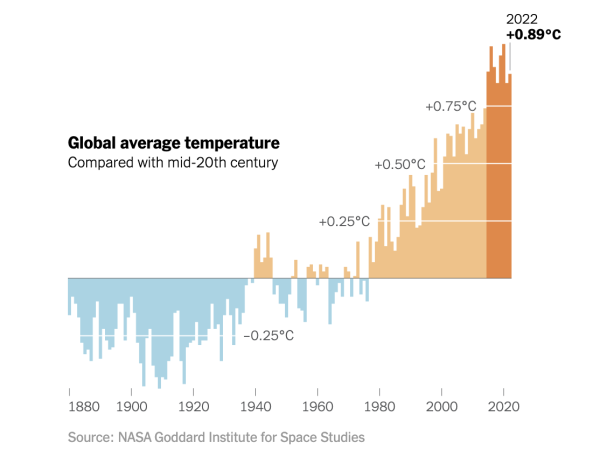
We can be near 100 percent certain CR states will increase in population, interstate solutions will be delayed by litigation, and global warming will intensify. Global warming was well established late in the 20th century. In the 21st century, climate change has contributed to slightly less snowfall in Colorado, parched soil and vegetation using more water, less water in all gullies and tributaries feeding into the CR, more evaporation from all river lakes, more evaporation from over 2,000 miles of concrete-lined canals in the river system, and more evaporation from dozens of cities from the urban heat island effect.
Lake Mead supplies water to more people than the number of people in the six New England states. Following are 12 solutions:
- President Biden issues an executive order reducing allocations annually by 5-10 percent to all seven CR states until both lakes are 60 percent or X percent full. This compels the seven states to seek multiple conservation measures.
- Sanctions for largest farms and cities least in compliance with “beneficial use” of a public resource. Beneficial use is a legal doctrine for the river. One southern California farm district uses about as much water as everyone in Los Angeles.
- Stop the yearly exporting of billions of gallons of CR water to China. The water goes to China in the form of alfalfa for Chinese cows. Phase out unlined canals and other wasteful farming practices.
- Pump groundwater into the CR. Particularly advantageous would be upstream rural locations with relatively full aquifers, as this new water would be recycled through multiple lakes and hydroelectric plants.
- Pursue water recycling and rainwater collection strategies in all CR states.
- Stop using the word “drought.” Dictionaries define “drought” as regional and temporary. Climate change is global and permanent.
- Governor Newsom and other CR governors endorse all or most of the latest UN global warming solutions.
- All CR governors pursue multiple water conservation efforts. This can be as simple as urging citizens to pursue wise use of indoor and outdoor water—otherwise water rates will increase.
- Offer to build Mexico a desalination plant in exchange for Mexican water in Lake Mead.
- Use solar, wind, and/or tidal power to build a prototype green-powered desalting plant.
- Increase desalination research funding by over 200 percent.
- Given certain growth in all or most CR states, implement all or most of the above solutions within 24 months.
Most of these solutions were known over 1-2 decades ago. Lake Mead has been in steady decline for most of the past 24 years. As global warming will accelerate, it is imperative for the region to pursue multiple long-range solutions. Unrealistic remedies, for both cost and engineering reasons, include 1,000-mile canals from the Mississippi or Columbia Rivers.
Desalination Can Assist California and the World
As many lack awareness of desal, this part covers some little-known facts. Opposition to desal is analogous to opposition to people having refrigerators.—except water is more essential to humans than refrigerators.
Desal opposition often focuses on brine, cost, or that desal is too energy intensive. Large desal does produce brine or salty residue. As salt has thousands of uses, brine has the potential to be profitable. As brine contains gold, silver and most of the natural 92 elements, future chemical separation techniques can make the brine highly profitable. Instead of dumping brine at the coast, a multi-mile diffuser spreads the brine toward distant ocean currents.
The current cost to desal 15 gallons of seawater is around $0.05 and desalting brackish water is far less expensive. Seawater desalting cost is free compared to the cost of 15 gallons of milk, beer, or any liquid humans buy.
Yes, seawater costs are still more expensive than municipal water, but the indirect benefits of desalting are never fully considered in the cost. As human bodies are 60 percent water and blood is 90 percent water, desal reduces the risk of heart disease, cancer, and dozens of other medical problems.
Indirect Lake Mead benefits of coastal desalting in southern California include increased CR water for agriculture, decreased food costs, increased hydropower, improved water quality in CR lakes, and improved preparation for global warming.
Indirect short-term global benefits of desalting include potential to improve life for millions, reduction in water-transmitted diseases, multiple innovation techniques anticipated, and potential to reduce war prospects over water shortages. Around two billion humans lack adequate water for drinking or sanitation.
Non-fossil fuel hand-held desal units for ocean water or contaminated water exist that cost less than $200 to a few thousand dollars. Over 10 years ago, the US Army developed car-sized mobile purifier units for use in arid locations.
Since 2006, Australia has operated a gigantic wind-powered desal plant that supplies a significant amount of water for its 4th largest city. Several competing solar-powered desal units are in operation around the world. Others have examined gravity-powered desal whereby tidal or solar power raises water, then the water is dropped creating electricity—the same way dams operate.
The US has several dozen extremely costly underwater moving desalting units. These units each cost around 3-4 billion dollars—or about 50% of the annual revenue of South Dakota. These underwater desalting units are usually called nuclear submarines.
The author has no knowledge of what over 100 ocean adjacent nations are doing in terms of desal research. And no knowledge of what thousands of think tanks and inventors are pursuing in terms of desal advances. But he is aware of three distinct new techniques—each contending the method would reduce desal costs by over 70 percent. Desalting costs can be further lowered by having Uncle Sam pay X percent of the cost only if a city reduces its water consumption by Y percent. Around two decades ago, Israel constructed several large desal plants along its coast. Now over 50% of all domestic water in Israel is desalted water.
Around a decade ago, someone noted that the US and/or Israel could have built a large desal plant in Palestine in exchange for peaceful relations.
The Hamas-Israeli war has destroyed thousands of water pipelines and over 500,000 humans are in a water precarious condition. As part of the peace accords, the US, UN, and Israel could have a desal provision whereby hand-held, car-sized, and multi-acre desal units are provided to Palestine.
Comments

Powered by RoundtableAn AI/DeFi-powered Enterprise Media Operating System. Learn more at Roundtable.io.© Roundtable 2026. By using this site you agree to the Terms of Use and Privacy Policy