


Sep 20, 2019 10:41 AM
Updated Feb 28, 2024 4:54 AM
Gina Scanlon: Alternatives to burning methane on the dump site include fuel cell technology that would recycle the gas generated by the decaying garbage pile to Glendale’s fuel supply without increasing emissions.
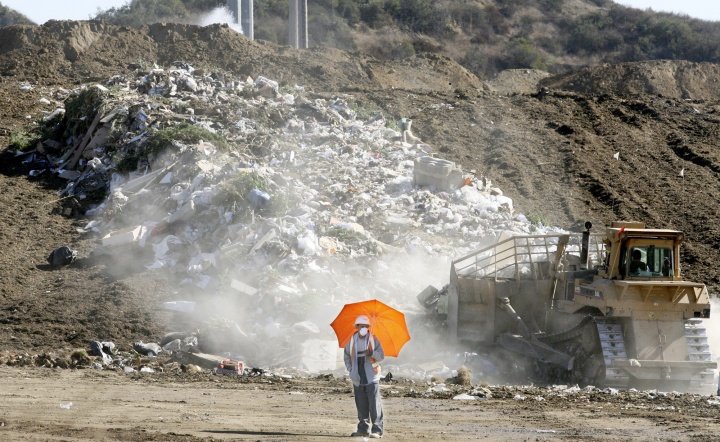
Residents of Northeast L.A., southeast Glendale, and west Pasadena celebrated two victories for their communities last week. In addition to finally winning official withdrawal of a 2014 proposal by the City of Glendale to significantly heighten the trash pile on Scholl Canyon’s dump site, advocates for reducing pollution commended passage at L.A. City Council of a measure to rein in a methane gas plant Glendale seeks to place at the dump, an area where at least four major fires have broken out in the past decade.
These are not the only shifts in the right direction for the safety of surrounding communities and smarter policy for the environment. Local progressive activists continue to gain momentum in urging Glendale to shift toward clean-energy sources, including at the Grayson Power Plant, where a high-cost, all-gas plan by the city for revamping the plant was rejected amid protests by more than 400 residents and neighbors.
The L.A. City Council measure was approved by an 11-0 vote, in large thanks to a multi-community organizing campaign led by East Area Progressive Democrats (EAPD) and efforts by Councilmember Jose Huizar, who sponsored it. The measure calls on the City Attorney to challenge Glendale’s menacing plans to build a methane gas plant on Scholl Dump, recommends more eco-friendly alternatives, and demands a thorough Environmental Impact Report (EIR) that will respond to the safety and pollution concerns of Angelenos.
Alternatives to burning methane on the dump site include fuel cell technology that would recycle the gas generated by the decaying garbage pile to Glendale’s fuel supply without increasing emissions.
Alternatives to burning methane on the dump site include fuel cell technology that would recycle the gas generated by the decaying garbage pile to Glendale’s fuel supply without increasing emissions. The L.A. City measure pushing back on dump pollution also hints that such fuel could power some of the fleet of hundreds of dirty, deisel-engine trash trucks that trek daily up the hill through the city streets of Los Angeles to Glendale’s Scholl Dump.
Related stories
Still, Glendale is still pushing to build a multi-million dollar methane gas plant on the Scholl dump site, at the north end of Figueroa Street, which is a known burn area. Serious fires in 2009, 2013, 2015, and 2019 have scorched large swaths of terrain very near or adjacent to the dump.
Communities in Northeast L.A. are well aware of the pattern of brushfires, as well as the continuous fight against pollution and corporate greed to combat the climate crisis. The proposed plant would only heighten the communities’ problems, making them vulnerable to future wildfires and disaster-related evacuation.
Scholl Canyon’s already-massive dump, first opened in 1961, has resulted in neighboring residents claiming they are having trouble breathing and regularly finding fresh ash or other particulate fallout from the dump in their homes and on their vehicles.
Community members and local activist groups continue to fight the dump, five years after expressing concern that its expansion would lead to poor air quality, asthma, premature death, dust, noise, and increased dump-truck traffic.
Then there’s the methane gas plant, whose proposed construction some nearby residents view as a back-door method of moving forward with expansion while avoiding public accountability. Anyone who understands basic chemistry knows why building a gas plant at a dump in an area prone to fires and next to the Verdugo fault line is a bad idea. So why is Glendale Water & Power still trying to make this dangerous proposal a reality?
Scholl Dump is 60 years old. In 2011, Glendale City Council unanimously approved a zero-waste policy that would reduce trash and dumping by 75 percent in 2020, and by 90 percent in 2030. This move to build the plant and industrialize the dump site, perhaps in a bid to keep it open and continue dumping there, is counterintuitive to Glendale’s stated goal of zero waste, to understate the contradiction.
Reporting by Glenoaks Canyon resident Adam Starr and Hans Johnson, founder of Communities United to Stop Scholl Dump Expansion, has highlighted Glendale’s original 1961 Joint Powers Agreement with L.A. County. It states:
“County’s rights to use City property shall be for 17 years ... or until such property has served its purpose and shall have been completely filled as herein specified, whichever first occurs, whereupon all rights of District and County shall terminate.”
This means the dump should have closed decades ago. Since 2014, the growing community outcry against the dump expansion has actually triggered advocacy to close the dump once and for all. The days of routinely renewing Glendale’s lease on dumping are over, especially since neighbors have come to see the city’s imposition of pollution hazards and actual harms, from fine and coarse particles to ground-level ozone, on nearby residents as an affront. In 2018, a multi-jurisdiction community coalition successfully blocked Glendale’s plan to proceed with building a methane gas plant at Scholl in a 2-1 vote, demanding further environmental review.
The fight isn’t over. Continued resistance to the dangerous placement of the gas plant at Scholl remains a priority. EAPD vows to stay vigilant in order to stop the gas plant and insist Glendale choose smarter, more sustainable alternatives, such as piping the methane off site for further processing and strategic uses.
“Our coalition isn’t stopping until all community concerns are addressed. This means ensuring the safest, best use of the methane captured at the rotting trash pile,” stated Hector Huezo, EAPD treasurer and communications vice chair of the California Democratic Council.
Want to learn more and get involved? Check out EAPD at www.eapd.la or drop a line to them at [email protected] and the Eagle Rock Neighborhood Council’s Facebook page, and subscribe to the newsletter to stay alerted on neighborhood meetings and events. Submit questions to the ERNC at [email protected].

Gina Scanlon
Gina Scanlon is an on and off-camera reporter, and digital producer. A Florida native, and graduate of The University of Central Florida, as well as the University of London, Gina has worked for ITV in London, BBC America in New York, and Disney in Los Angeles. She is currently a reporter for a variety of local and national publications, including Eagle Rock's Boulevard Sentinel.
Comments

Powered by RoundtableAn AI/DeFi-powered Enterprise Media Operating System. Learn more at Roundtable.io.© Roundtable 2026. By using this site you agree to the Terms of Use and Privacy Policy