
joecabby2011 Attribution-ShareAlike (CC BY-SA 2.0) Flickr


Petro-Power Grip
Feb 24, 2024 6:58 AM
Updated Feb 24, 2024 8:44 AM
An urgent call to tighten sanctions and embrace renewable revolution.
Two years into Russia’s savage war on Ukraine, we understand ever more clearly how Putin’s plans are fueled by gas and oil. It’s the thing that keeps him in power, the thing that gives him leverage to murder opponents like Alexei Navalny, the thing that keeps the missiles raining down. And the good news is, we know how to stop it.
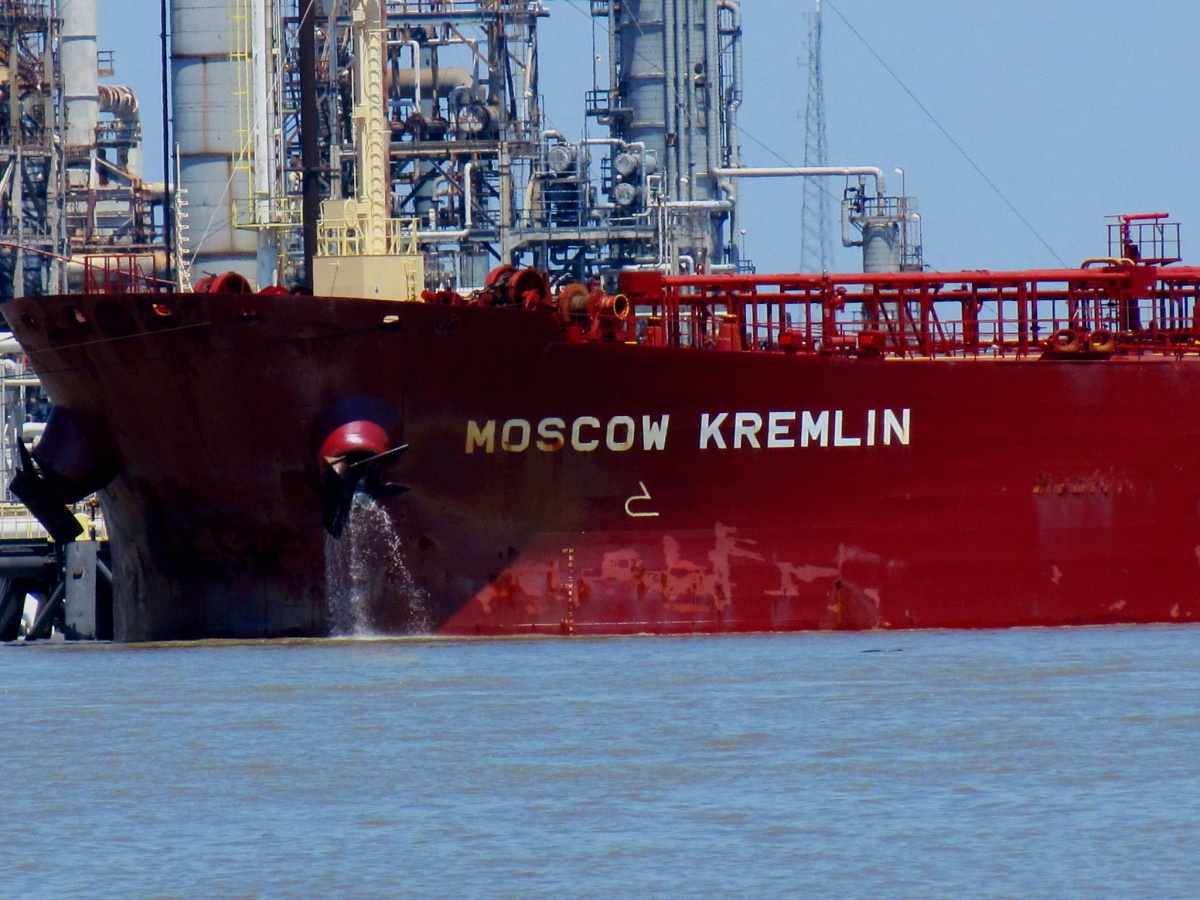
The world has a sanctions regime designed to stop the flow of Russian gas and oil; now it just needs to be tightened. In particular, the price caps set on Russian fossil fuels need to be lowered and fully enforced; the ‘ghost fleet’ of ancient and uninsured tankers that Moscow has assembled; and the ‘refining loophole,’ which allows Russian oil to be laundered into jet fuel in places like India and the UAE, needs to be closed.
Putin will go on expanding his fossil fuel empire, which by now has become the main prop of his state.
If those things don’t happen, then Putin will go on expanding his fossil fuel empire, which by now has become the main prop of his state. Since the start of the full-scale invasion in Ukraine on February 24, 2022, Russia has amassed more than $600 billion in profits from fossil fuel exports. It is rushing to develop new Siberian and Arctic LNG gas fields.
Related stories
And it’s precisely these developments that allow him to turn Russia into an ever more militarized state: In 2024, Russia’s “national defence” budget will expand to 10.775 trillion rubles ($110 billion), marking a 70% increase from 2023, more than doubling from 2022, and three times higher than the pre-war 2021 allocation. The Kremlin has become a grotesque machine for turning oil into blood.
But there’s good news amidst the horror, beginning with the fact that the outbreak of war has moved Europe to break decisively with fossil fuels. Every month, more windmills and solar panels and batteries reduce its dependence on hydrocarbons from anywhere. American natural gas helped fill the gap at first, but there’s more than enough of that flowing now: President Biden wisely decided earlier this year to pause the permitting of more LNG export facilities, because it was clear that they were no longer helpful in this fight, and were instead undermining the battle against climate change.
If you wanted a symbol for this transition: despite the endless war, Ukraine has managed to build and install three big wind turbines over the course of the war. Campaigners have plans in place to build out renewable industry in the once coal-dominated country when the fighting finally ends and reconstruction can begin in earnest.
These past 24 months have been traumatic in so many ways. Ukraine is trying somehow to cope with the biggest land war in Europe since the fall of the Nazis, even as the planet staggers through the hottest year in the last 125,000. These are civilization-scale challenges, and both of them stem from the no-longer-necessary dependence on fossil fuel. We live on a planet where wind and sun provide the cheapest forms of power; if we took that opportunity seriously, then life would no longer be so cheap, on the battlefront or amid the floods and fires of a heating planet.
Tanks and missiles are unavoidably part of this war, but so are heat pumps and insulation; our understanding of what constitutes ‘security’ is starting to change. But the people of Ukraine, and the people of the world, need that change to happen faster, before any more damage is done.
Comments

Powered by RoundtableAn AI/DeFi-powered Enterprise Media Operating System. Learn more at Roundtable.io.© Roundtable 2026. By using this site you agree to the Terms of Use and Privacy Policy