
Wikimedia Commons


Four Weeks After the Eaton Canyon Fire
Feb 12, 2025 2:00 AM
Updated Feb 12, 2025 5:03 AM
The initial response has focused on immediate aid—temporary housing, emergency relief funds, and damage assessments. But what about the long-term impact?
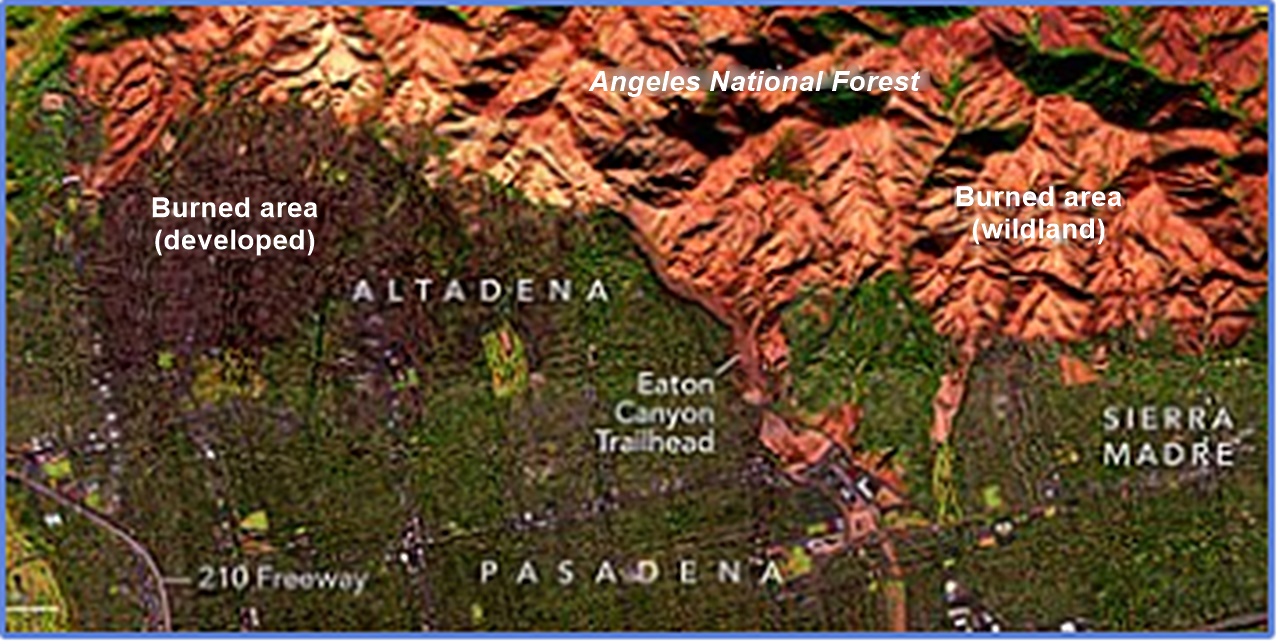
Four weeks ago, the Eaton Canyon Fire tore through Altadena and Pasadena, leaving behind a devastating toll: 17 lives lost, more than 11,000 structures destroyed, and tens of thousands displaced. As officials scramble to assess the damage, the full scope of the crisis is only beginning to emerge.
The initial response has focused on immediate aid—temporary housing, emergency relief funds, and damage assessments. But what about the long-term impact? Where are displaced residents now, and how are they adjusting? Are county and state officials doing enough to help people rebuild their lives?
The Uncounted: Renters and Small Business Owners Left Behind
Public discussions about recovery have centered mainly on homeowners. Yet, two key groups, renters and small business owners, have been left out of many relief efforts. For them, the fire didn’t just take away their home; it took away stability, community, and, in many cases, their entire livelihood.
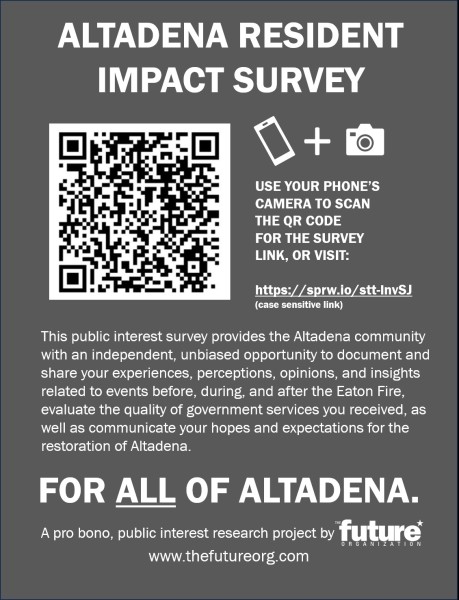
A new survey by The Future Organization, a Pasadena-based research firm, is beginning to capture the true extent of the displacement. Their early findings suggest that the impact is far more significant than officials have estimated.
Related stories
“From the preliminary responses we’ve received, more than 50% of the 425 surveyed residents have indicated that their homes were completely destroyed, with no possibility of return without rebuilding,” said Aimery Thomas, Managing Director of The Future Organization.
“Given the average household size in Altadena, this suggests that more than 25,000 people have faced at least temporary homelessness as a direct result of the Eaton Fire.”
And this is just the beginning. The survey remains open, intending to gather over 1,000 responses to build a more complete picture of the crisis.
Eaton Fire Survivors Adjusting to a New Reality
For those displaced, the struggle extends beyond finding housing. Families who stayed near Altadena are adjusting to longer commutes, increased financial burdens, and the emotional toll of losing their homes. Others have been forced to move farther—to the Antelope Valley, Ventura, Orange County, and even out of state—disrupting work, school, and community ties.
Meanwhile, renters face a different challenge: a lack of relocation assistance. Many had no renter’s insurance, leaving them with nothing but the clothes they escaped with. Small business owners, who depended on local foot traffic, are left wondering if they’ll ever be able to reopen.
“For many residents, this isn’t just about rebuilding—it’s about whether they can afford to stay in the community at all,” said Thomas.
The Urgency of Data Collection
One of the most significant risks in disaster recovery is underestimating the problem. Aid and policy decisions are being made now, yet thousands of displaced people may be left out of the recovery process without comprehensive data.
Thomas stresses the urgency of collecting this information while memories are fresh and the trauma is raw. As time passes, official estimates risk becoming outdated, potentially leading to funding gaps and inadequate support for those who need it most.
“This is a rare moment where we can document the full impact of the fire—before people scatter before their experiences fade into statistics,” Thomas said. “If we don’t capture this now, we may never get an accurate picture of what really happened.”
Take Action: Share Your Story
The Future Organization’s Altadena Resident Impact Survey is critical in ensuring all voices are heard—homeowners, renters, and business owners alike. If you or someone you know was affected by the fire, taking the survey is one of the most important ways to ensure your experience is counted.
➡ Complete the survey now: [Survey Link]
➡ Share it with others impacted by the fire.
Every response helps create a stronger case for aid, policy changes, and long-term recovery efforts. The opportunity to shape the future of Altadena’s recovery is happening now—before the window closes.
Comments

Powered by RoundtableAn AI/DeFi-powered Enterprise Media Operating System. Learn more at Roundtable.io.© Roundtable 2026. By using this site you agree to the Terms of Use and Privacy Policy