


Jan 1, 2019 5:36 PM
Updated Feb 10, 2022 10:51 PM
Johnny Townsend: We have to ask ourselves if giving up hamburgers or Hummers or holidays in Paris is a greater loss of comfort than living with increasingly severe droughts, floods, hurricanes, wildfires, and crop failures.
We need literal, real treatment for our addiction to fossil fuels.
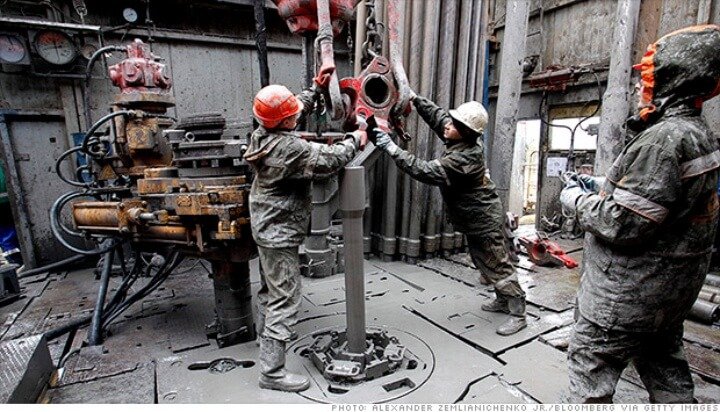
When I was a teenager, my uncle told me to get a job on an oil rig in the Gulf of Mexico. An introverted reader so clean and careful with my books they still looked brand new when I’d finished them, I was appalled by the idea of being covered in sweat and oil for days at a time. But my uncle insisted we were put on Earth to suffer and that I should always reject the easy path.
I thought his philosophy was nuts. Now, though, when I think back on this incident, what I’m most grateful for is the knowledge I didn’t earn a living, however temporarily, in a field so destructive to our environment. I’ve seen friends and family do just that, earning good money, living in nicer homes than I ever will, comfortable and proud to be successful in life, refusing to recognize their contribution to the global disaster developing around us.
Despite the many Puritan aspects of U.S. culture, for the most part we, and the rest of the industrialized world, worship comfort almost more than we worship money. We spend $20 on over-the-counter meds to treat our cold, and when that doesn’t work, we rush to the doctor and demand antibiotics despite knowing they’ll have no effect on viral infections. But we want to feel better now. We take dangerously high dosages of acetaminophen, aware of the risk to our liver, to get rid of that headache now. And this obsessive need for comfort is just as strong when we’re feeling well. We have seat warmers in our cars. We pay $3000 for a mattress. We make toilets that wash our butts. Our toilet seats have warmers, too.
Related stories
Most of these things aren’t bad. I’m a big fan of comfort myself. The problem is that this mindset leaves us unprepared to accept the loss of comfort inherent in adequately addressing climate change.
Among the multitude of adaptations we need to make include imposing a limit on meat consumption and mandating a two-child limit on families. We need to move away from a tourism economy that encourages people to drive across the country or fly around the world every chance they get. We need to cut down on single-family cars, regulate mileage, and develop more comprehensive public transportation. We need to regulate heating and cooling in both homes and businesses. We need to divert taxes from the military to retrofit every rooftop in America with solar panels or white paint, replace every poorly made window with energy-efficient windows. We need to relocate entire communities from areas it is already too late to save. We need to ban all fracking and all new drilling, even if that means creating a new Public Works Administration to address the accompanying job loss.
Does any of this sound too “uncomfortable”? Too disruptive? These are almost certainly the easiest of the shifts we must accept if we want to slow down climate change long enough to adapt to it.
We have to ask ourselves if giving up hamburgers or Hummers or holidays in Paris is a greater loss of comfort than living with increasingly severe droughts, floods, hurricanes, wildfires, and crop failures.
The good news is we are perfectly capable of making significant changes when we set our minds to it. A murderous husband laced his wife’s Tylenol with cyanide 35 years ago. Now we put safety seals on every medicine and applicable food product. A terrorist tried to blow up a plane with explosives hidden in his shoes. Now millions of people take their shoes off in airports every year. The newly blind learn Braille. Women (and men) give up their breasts to survive cancer. People with sleep apnea adjust to uncomfortable CPAP machines to live through the night. Elderly folks learn how to use computers and cell phones. Alcoholics and addicts learn to live without their drug of choice. We adapt. It’s actually one of the most profound traits exhibited by the human species.
We adapt in our personal lives all the time. I moved to Italy for two years and learned Italian. Back in New Orleans, after earning three English degrees, I decided to take a different path and earned a Biology degree. When Hurricane Katrina struck, I evacuated with one suitcase and never saw my apartment again, relocating to Seattle and starting over from scratch. I hate needles, passing out twice in my youth when doctors gave me injections. I always “knew” that if I ever developed diabetes, I’d kill myself rather than face a lifetime of daily injections. Now I give myself two injections a day without a second thought. Reducing my carb intake is a tougher challenge, but again, what is the alternative? We do what we have to do.
We can make hard changes. We can make scary changes. We can make difficult changes that negatively impact us physically, emotionally, and financially but which are still essential to our well-being and survival.
We have to ask ourselves if giving up hamburgers or Hummers or holidays in Paris is a greater loss of comfort than living with increasingly severe droughts, floods, hurricanes, wildfires, and crop failures.
We need to create a new 12-step program, Fossil Fuels Anonymous. A real program, not a metaphorical one. We are addicted to fossil fuels, to the comfort and convenience they give us, and we have hit rock bottom. Instead of alcoholism leading us to lose our jobs, homes, and families, fossil fuel addiction is leading us to lose those same jobs, homes, and families, but also our entire ecosystem and, ultimately, civilization. Scientists have been trying to force an intervention on us, but we keep singing Amy Winehouse’s “Rehab” to drown out their voices. Recovery from fossil fuels will probably take more than twelve steps, unfortunately, and it will require a rather intensive program, but we can’t afford to put it off, and we can’t afford to relapse.
If we want to survive our addiction, we’d better get started right away—before we overdose on the most dangerous drug our species has ever known and never wake up.
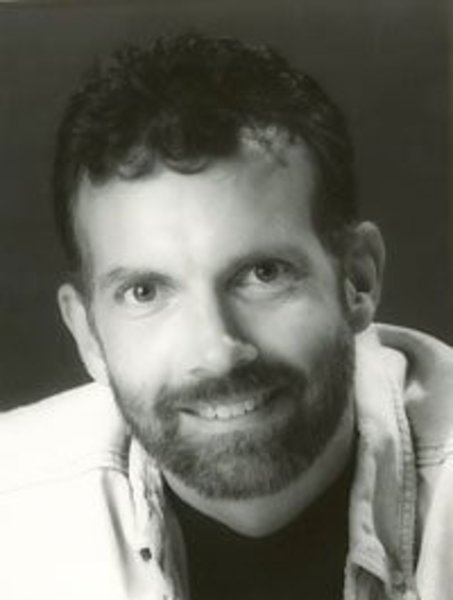
Johnny Townsend
Comments

Powered by RoundtableAn AI/DeFi-powered Enterprise Media Operating System. Learn more at Roundtable.io.© Roundtable 2026. By using this site you agree to the Terms of Use and Privacy Policy