


Aug 26, 2020 3:00 PM
Updated Feb 10, 2022 10:42 PM
Ashley Simmons: Although it seems the carbon-sucking farm innovation can sufficiently get the job done, there are hurdles to suggest that it can't.
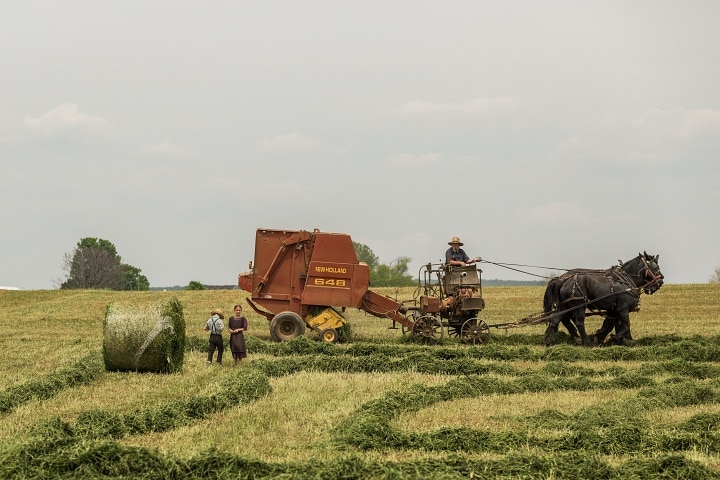
Why We Can’t Count on Carbon-Sucking Farms to Slow Climate Change
The world is no longer unfamiliar with the dangers of climate change and the need to reduce it. The enormous amount ofcarbon emission in the atmosphere increases the intensity of natural disasters, causing billion-dollar damages. About39% of carbon dioxide emissions in the US alone come from electricity generation.
Leaders rise whenever the world is faced with a challenge of this magnitude. Now that we're aware of our latest foe, world leaders, multinationals, and scientists have tried to come up with a solution.
Carbon-Sucking Farms – The Suggested Method for Reducing Carbon in the Atmosphere
How do we reduce carbon in the atmosphere? That question has birthed a few suggestions, including using farms to drain carbon from the air. Restructuring agricultural practices to combat climate change is a brilliant idea, but is it enough?
World leaders and multinationals have bought this idea of trapping carbon in the earth as though it’s earth’s last resort. Organizations have pledged billions of dollars to distribute to farmers around the world for this purpose.Indigo Agriculture is one of the frontrunners of the development, gathering an additional $200 million to the previously raised $650 million for farmers in January.
Related stories
The goal is to encourage farmers to plant more cover crops and trees to trap carbon in the soil. As humans breathe in oxygen, plants take in carbon dioxide. They soak up carbon in the atmosphere through their leaves, stems, branches, and even roots. Thus, as more plants are cultivated, more carbon will be sucked out of the atmosphere. This concept is the essence of carbon-sucking farms. However, we cannot depend on it.
The Problem with Using Carbon-Sucking Farms to Remove Carbon from the Atmosphere
Although it seems the carbon-sucking farm innovation can sufficiently get the job done, there are hurdles to suggest that it can't.
Although it seems the carbon-sucking farm innovation can sufficiently get the job done, there are hurdles to suggest that it can't. For instance, farming has different stages. Preparing a parcel of land for agriculture is the first stage. This preparation involves clearing the farmland and removing weeds from its surface.
The next step involves digging holes into the ground and planting a seed. Scientists have developed modern techniques to prevent digging a hole in the dirt. Instead, farmers now drill seeds into the ground, which is a safer method. After that, the plant gets watered, and the wait begins.
So, what's wrong with that? Everything! From the first practice to the last, carbon is lost to the atmosphere. Clearing the land in preparation for planting will lead to the loss of carbon. Rapid activities and distortions in the soil also have the same effect.
While developed countries practice drilling seeds into the ground, it's a foreign concept in developing regions. The average third-world farmer plants seeds by tilling the land before inserting them in. So, even if up to half of the world's population uses safer methods, the other half's actions will somehow counter their efforts.
In a nutshell, a farmer must first release carbon to pull it from the atmosphere. It sounds like taking a step backward before you can move forward - it won't do too much good. Carbon-draining farms are not the problem; the focus on them to solve the emission problem is.
The Real Cause of Carbon Emission
There are numerous factors responsible for the release of carbon. It won't be a fair fight to keep one possible solution in the ring against innumerable challenges. Here are some factors:
Bush Burning and Deforestation
The rate of bush burning and deforestation in every part of the globe is a massive cause of carbon emission. Some developing regions burn bush and hack down trees either due to ignorance, survival purposes, or both.
Meanwhile, industrialization has given rise to deforestation. There should be stricter laws to put an end to both deforestation and bush burning. Such laws will reduce the rate of carbon emission.
Burning Gasoline
Deforestation is not the biggest threat to the success of removing carbon from the environment. The carbon emission from burning coal, automobile exhaust, and factories make up a larger chunk of carbon trapped in the atmosphere. About a gallon of gasoline burned creates up to8,887 grams of carbon dioxide. That is a staggering amount of carbon emission.
Besides, vehicles like cars, motorcycles, and airplanes run on fossil fuel, which is mined from the earth’s crust. They produce waste gases, including carbon, after burning gasoline. Technological advancement has enabled a rapid increase in vehicles that use such fuel as propellants, leading to the release of more carbon.
Can Carbon-Sucking Farms Slow Climate Change?
Carbon-sucking farms depend on soil type to be effective. Like articles in thebest essay writing websites, James Temple argued in a recent writeup that there’s still no concrete evidence to prove that such farms will be successful.
Temple mentioned that scientists are yet to ascertain the conditions and the time it would take to see this plan work. Soil type is a significant determinant of the success of carbon-sucking farms. Without knowing the type of soil that will boost plants and trees' capacity to trap carbon in the earth, there will be mixed results, and ultimately, the goal might not be reached.
Capturing carbon in the ground will undoubtedly help reduce its concentration in the atmosphere, but it’s up against fierce challenges. Although the Shell’s and Microsoft’s of this world have joined Indigo Agriculture in pledging their support to the carbon-negative farming method, this practice can be likened to world leaders putting their eggs in one basket.

Instead of relying on one strategy (that’s nowhere near perfect) to solve the world’s problem, we should be looking for other options. The more options we have, the better our chances of avoiding a catastrophe waiting to befall the earth.
Ashley Simmons
Comments

Powered by RoundtableAn AI/DeFi-powered Enterprise Media Operating System. Learn more at Roundtable.io.© Roundtable 2026. By using this site you agree to the Terms of Use and Privacy Policy