


The Police Gig Economy
Feb 19, 2025 7:37 AM
Updated Feb 19, 2025 8:00 PM
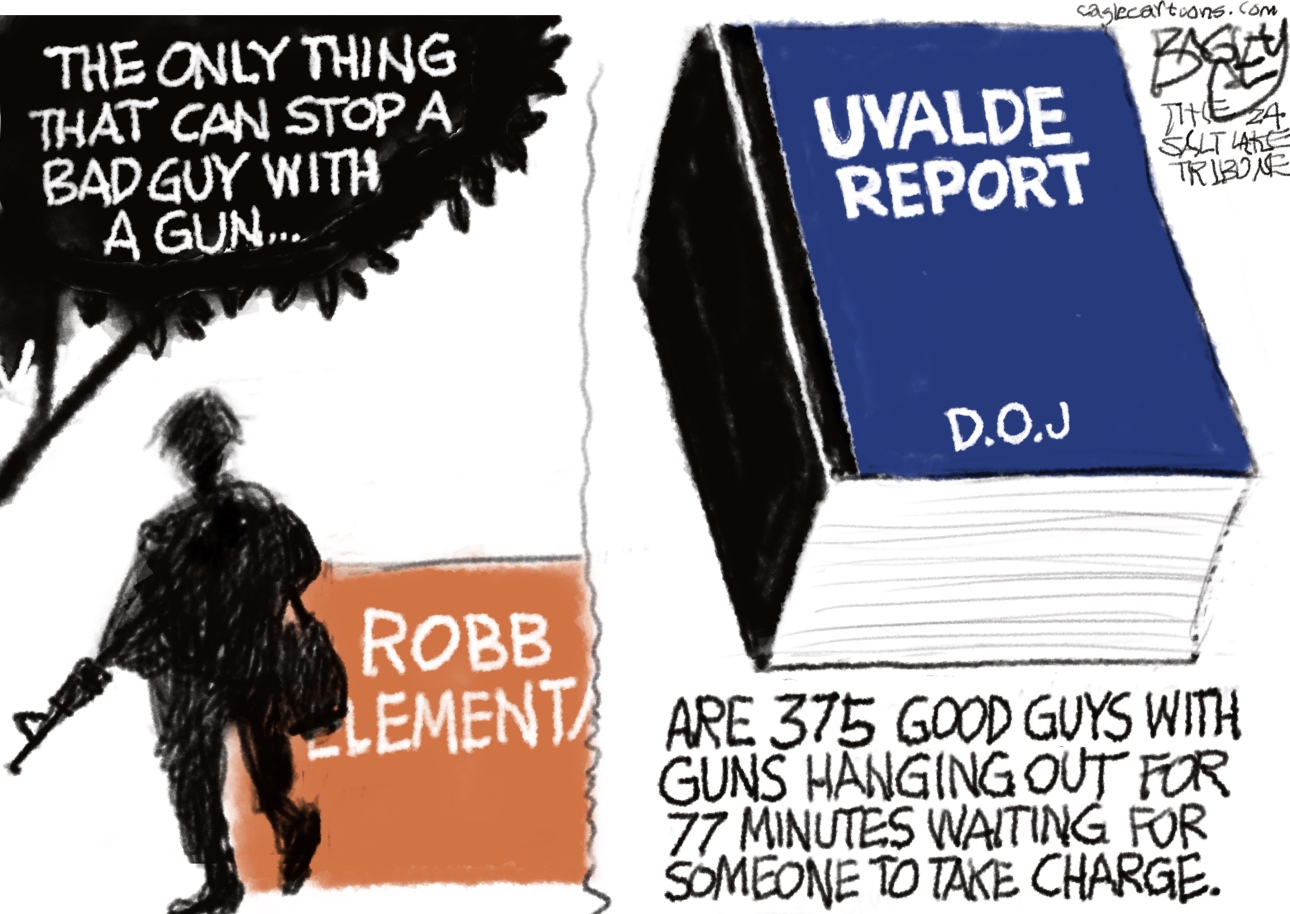
Contrary to what most think, police do not have a legal obligation to protect individuals. Some are now using a private police app
Every day seems to bring news that makes one wonder what we're witnessing in this country. We seem to be spiraling down into an abyss, desperately grasping to hold on to fragments of normalcy. But maybe I’m wrong; maybe what we are witnessing has always existed; we just didn't get as much news in the past.
Case in point, I read this week that there is now an app, similar to Uber or Uber Eats, that facilitates the ordering of armed guards. Currently, it is only available in Los Angeles and New York. It is called “Protector.”. Protector allows the user to book armed guards on demand. Every guard is either “active duty or retired law enforcement and military.” Every booking comes with a motorcade, and users select the number of Escalades that’ll be joining them as well as the uniforms their hired goons will wear. Feels like I’m trapped in a dystopian nightmare.
Protector App: On-Demand Private Security
The emergence of the "Protector" app points to a growing trend of privatized security becoming more accessible to the public. Launched in February 2025, Protector offers users in New York City and Los Angeles the ability to hire armed bodyguards and private motorcades through their mobile app. These services, priced at approximately $200 per hour, provide clients with protection from personnel who are former military or law enforcement officers. Users can customize their security detail's attire and select from vehicles such as Cadillac Escalades or Chevrolet Suburbans. While bookings currently require a day's notice, the app aims to integrate personal safety seamlessly into users' lifestyles.
Contrary to what many think, on-demand private security doesn't compete with the service law enforcement provides because the police have no obligation to protect individuals.
Related stories
Legal Precedents: Police Duty to Protect
The notion that police are legally obligated to protect individuals is a common misconception. Several landmark U.S. Supreme Court cases have clarified this misunderstanding:
- DeShaney v. Winnebago County Department of Social Services (1989): In this case, the Court ruled that the state is not liable for harm inflicted by private actors. A young boy suffered severe abuse from his father, and despite social services' awareness, no intervention occurred. The Court concluded that the state's failure to act did not violate the Due Process Clause. Findlaw
- Town of Castle Rock v. Gonzales (2005): Jessica Gonzales had a restraining order against her estranged husband, who abducted and murdered their three children. Despite her repeated pleas, the police did not enforce the order. The Supreme Court held that Gonzales did not have a constitutional right to police enforcement of the restraining order. PMC
These decisions underscore that, unless a "special relationship" exists (such as an individual being held in custody), law enforcement agencies are not constitutionally required to protect individuals from harm.
Implications of Privatized Security
The rise of apps like Protector reflects a societal shift towards privatized security solutions, influenced by factors such as perceived inadequacies in public policing and a desire for personalized protection. This trend raises several considerations:
- Accessibility and Normalization: Making private security services available through a user-friendly app may normalize the concept of personal bodyguards, potentially increasing demand among those who can afford such services.
- Impact on Public Policing: As more individuals turn to private security, there could be implications for public law enforcement agencies, including potential shifts in resource allocation and public expectations.
- Societal Stratification: The availability of private security services primarily to the affluent may exacerbate existing societal inequalities, leading to disparities in personal safety and protection.
The intersection of legal precedents affirming that police are not obligated to protect individuals and the advent of accessible private security services like the Protector app highlights a complex evolution in societal approaches to safety and protection. These developments prompt critical discussions about the roles of public law enforcement, the privatization of security, and the broader implications for civil society.
Comments

Powered by RoundtableAn AI/DeFi-powered Enterprise Media Operating System. Learn more at Roundtable.io.© Roundtable 2026. By using this site you agree to the Terms of Use and Privacy Policy