


Feb 6, 2025 8:15 AM
Updated Feb 7, 2025 2:27 AM
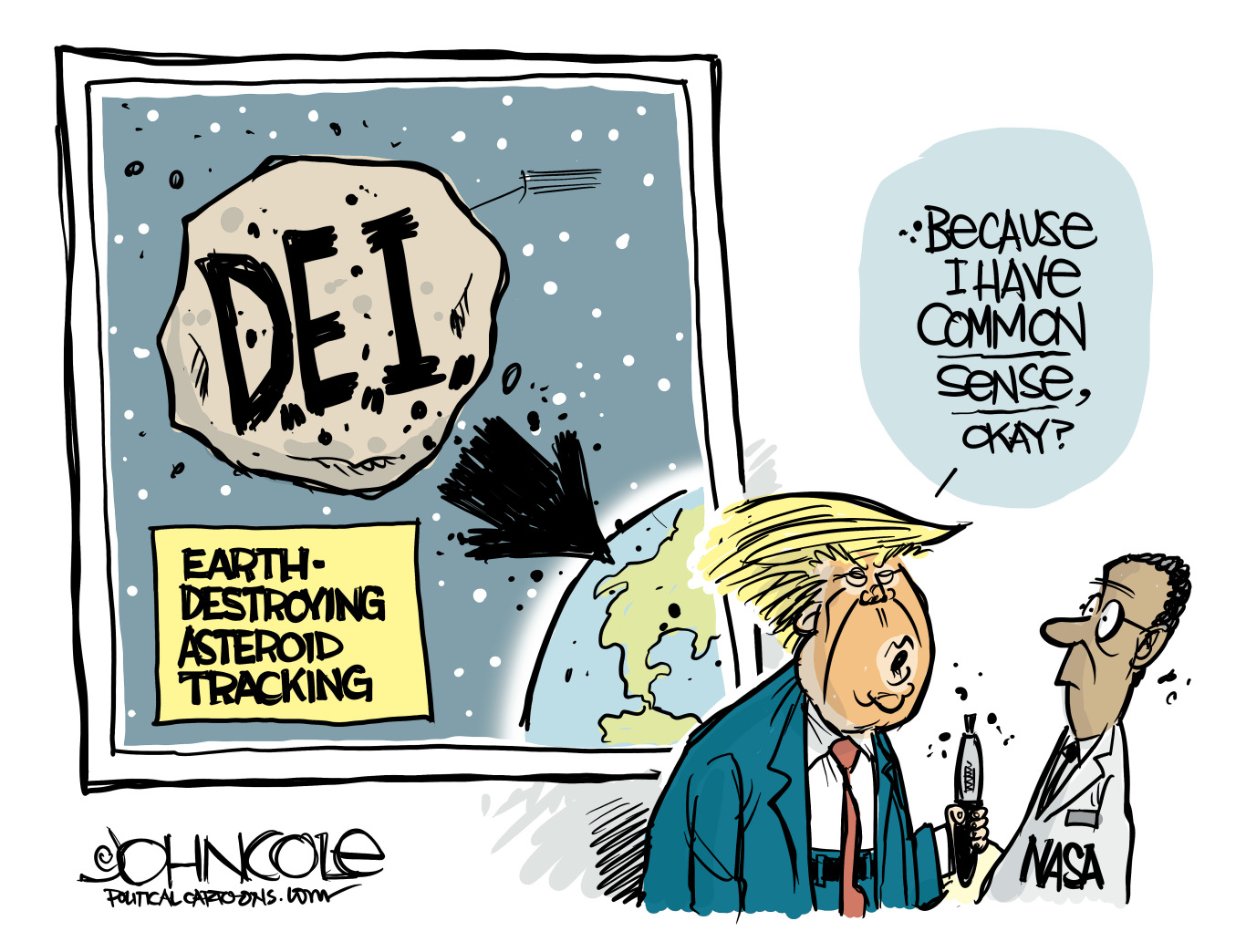
Emphasizing that DEI is about fostering inclusive practices rather than imposing a racial preference scheme is crucial
The Grammy Awards 2025 did more than honor the entertainment industry this week when they departed from their normal business-as-usual posture and took a strong public stance in favor of DEI (Diversity, Equity, and Inclusion). Harvey Mason Jr., the chairperson of the Grammy Foundation National Advocacy Committee, delivered a message that surprised the house and, no doubt, upset #47, because historically, the Grammy Foundation has faced criticism for overlooking diverse voices, particularly Black, Latino, and other marginalized artists in key categories like Album of the Year.
The Grammys position on DEI is important for many reasons; chief among them is that the Grammys have long played a powerful role in shaping cultural attitudes and influencing public discourse. As one of the most prestigious award shows in the music industry, the Grammys reflect and amplify cultural trends while also setting the tone for what is celebrated and validated in popular music and culture. When they take a stand—especially on an issue as charged and significant as Diversity, Equity, and Inclusion (DEI)—it sends a ripple effect throughout the industry and beyond.
In the LA Progressive podcast, Sharon Kyle and Latino opinion leader Mario Solis-Marich rehashed what happened at the Grammys.
Three Key Points You Should Know About DEI
- DEI as a Practice, Not a Policy: Emphasizing that DEI is about fostering inclusive practices rather than imposing a set of rigid policies is crucial. It focuses on making sure existing anti-discrimination laws are actively upheld and integrated into workplace culture.
- Intentionality in Representation: The Grammy Awards' declarative announcement signals that the music industry is moving beyond tokenism toward intentional inclusion. This could mean changes in how artists are nominated, awarded, and represented—possibly leading to greater recognition for underrepresented groups.
- The Importance of DEI Messaging: Framing DEI as promoting fairness for all, rather than preferential treatment for some, helps clear up common misconceptions and push back against criticisms that DEI is exclusionary.
Related stories
5 Ways the Grammys Help Shape Cultural Attitudes
1. Cultural Gatekeeping and Mainstream Representation
For decades, the Grammys have served as a gatekeeper of musical legitimacy, with their awards defining what music and artists are considered “worthy” by the mainstream. Historically, they’ve faced criticism for overlooking diverse voices, particularly Black, Latino, and other marginalized artists in key categories like Album of the Year.
- Recent Changes: By adopting intentional DEI practices, the Grammys are signaling a shift toward greater inclusion. This can help elevate historically excluded voices and broaden the spectrum of music recognized on a global stage.
- Impact: When underrepresented artists are given the same platform as mainstream ones, it changes perceptions of what is "popular" or "valuable" in music and culture, leading to broader acceptance and appreciation of diverse sounds and perspectives.
2. Influencing Industry Standards
The Grammy Awards are more than a celebration; they are a business. The decisions they make—such as who performs, who presents, and who wins—impact the music industry as a whole. A strong commitment to DEI can influence:
- Hiring Practices: Music labels and production companies may feel pressure to align with the Grammys' example by ensuring diverse hiring at all levels.
- Contracts and Collaborations: Artists and executives may prioritize projects that center equity and inclusion to stay relevant in an evolving industry landscape.
3. Redefining Cultural Icons and Heroes
Awards shows help cement certain artists as cultural icons. When the Grammys recognize diverse artists, particularly in major categories, they redefine who we consider heroes and legends in music.
- Breaking Stereotypes: Recognizing a broader range of artists challenges stereotypes about who can be successful in the industry.
- Cross-Cultural Influence: The elevation of global and multicultural artists can inspire new generations of musicians and fans from all backgrounds.
4. Shaping Public Conversations on Social Issues
Award shows like the Grammys don’t exist in a bubble—they’re cultural events that reflect larger social movements. By centering DEI, the Grammys position themselves within broader conversations about race, gender, and representation in entertainment.
- Cultural Commentary: Performances and acceptance speeches often serve as powerful moments for artists to address pressing social issues. When DEI is a visible priority, these moments become more meaningful.
- Influencing Other Sectors: The entertainment industry has a unique ability to push social change. When the Grammys embrace DEI, it can motivate similar shifts in adjacent industries like film, fashion, and media.
5. Audience Perception and Education
The Grammy Awards have a massive global audience. By making DEI a focal point, they can help educate the public on the importance of inclusion and fairness.
- Challenging Misconceptions: Public discourse around DEI often involves pushback, with some arguing that it promotes unfair advantages. The Grammys' messaging can help clarify that DEI is about removing barriers and leveling the playing field, not giving special treatment.
- Inspiring Future Generations: For young people watching, seeing artists from different backgrounds succeed can be life-changing. Representation matters—when you see yourself reflected in success, it expands your sense of what’s possible.
The Grammy Awards are more than a music event; they’re a cultural touchstone with the power to challenge the status quo, promote equity, and redefine who gets to be celebrated in the global music industry. By embracing DEI, the Grammys can help shift cultural attitudes toward greater inclusivity and fairness—not just in music but across society at large.
Comments

Powered by RoundtableAn AI/DeFi-powered Enterprise Media Operating System. Learn more at Roundtable.io.© Roundtable 2026. By using this site you agree to the Terms of Use and Privacy Policy