


Jun 18, 2025 3:58 PM
Updated Jun 27, 2025 5:28 PM
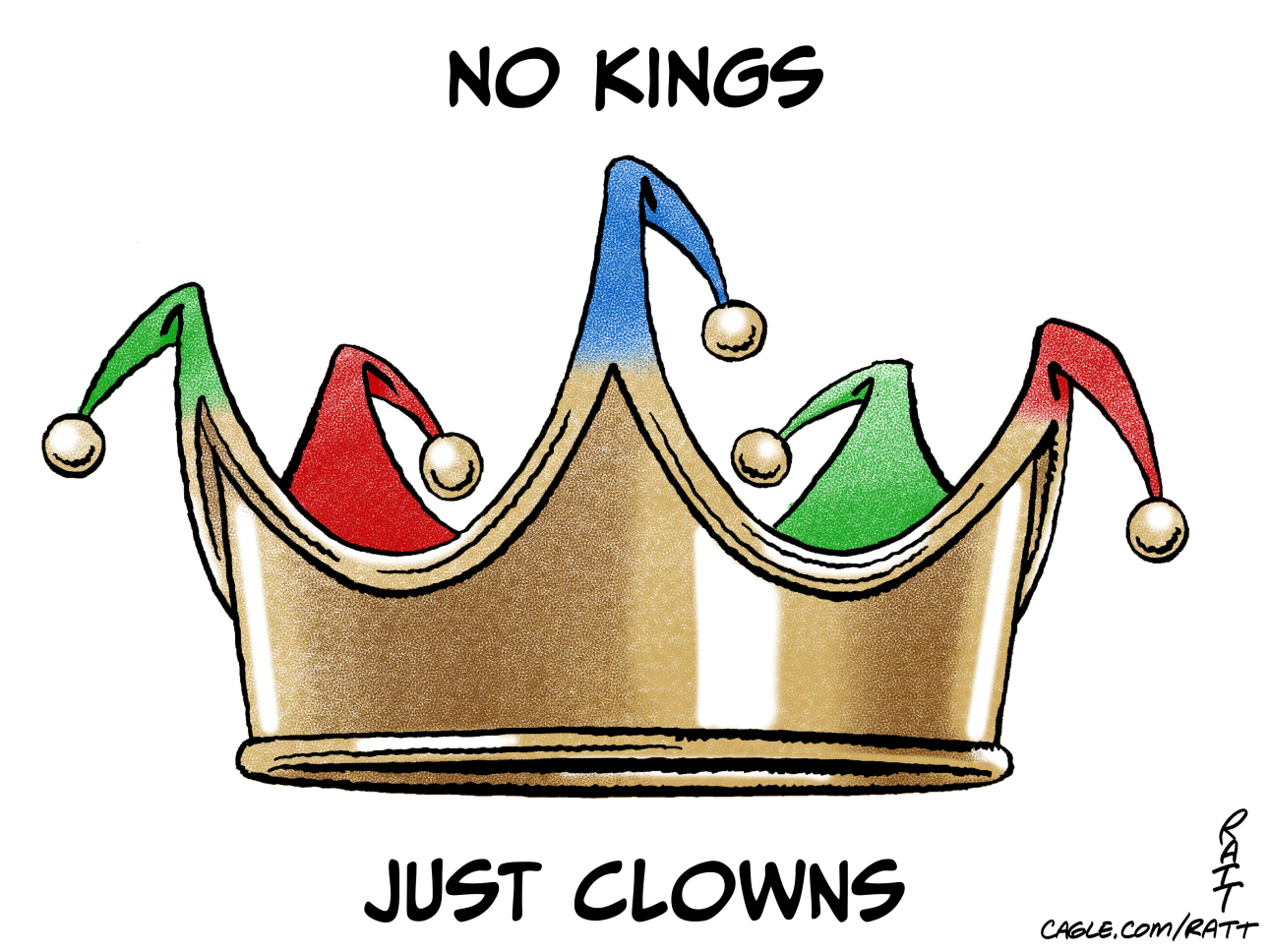
In response to a series of actions by the Trump administration, the No Kings movement emerged, mobilizing 11 million people to march in cities across the country.
From Gandhi to Black Lives Matter, nonviolent direct action has challenged empires, defeated segregation, and ignited global change.
Nonviolent Direct Action (NVDA) has long been one of the most powerful tools in the fight for justice. From dismantling segregation in the American South to resisting colonial rule in India and confronting climate collapse today, NVDA allows people to disrupt systems of power without using violence.
At its core, NVDA challenges injustice through deliberate, peaceful disruption—strikes, sit-ins, boycotts, blockades, and civil disobedience that compel society to reckon with what it would rather ignore.
Steven Starr, who may be best known for producing FLOW: For Love Of Water, which helped spark global water-rights advocacy, and for launching Revver, an influential early revenue-sharing video platform, spent time with Sharon Kyle of the LA Progressive to talk about the history of NVDA and the outcomes these actions produced. That conversation can be seen and heard in the video in this article and on Youtube.
Related stories
So, What Is NVDA?
Nonviolent Direct Action is the strategic use of peaceful but confrontational methods to challenge unjust laws, institutions, or policies. It is more than symbolic protest—it involves disrupting the status quo to expose moral, legal, or political contradictions.
Key Principles:
- Moral clarity: NVDA targets systems of oppression, not people.
- Disruption: It halts “business as usual” to demand justice.
- Nonviolence: It maintains discipline even when provoked.
- Visibility: It generates public attention and moral reflection.
A Brief History of NVDA
The modern roots of NVDA trace back to Henry David Thoreau, whose 1849 essay Civil Disobedience urged individuals to resist unjust laws. Russian writer Leo Tolstoy and Indian leader Mohandas Gandhi advanced this philosophy, with Gandhi’s Satyagraha (truth-force) becoming a global model for nonviolent resistance.
In the 20th century, Dr. Martin Luther King Jr., Ella Baker, SNCC, and others used NVDA to confront segregation, racism, and poverty in the U.S. South. Since then, NVDA has powered movements against war, environmental destruction, apartheid, police brutality, and more.
NVDA Campaigns That Changed History, Why it Works
- It disrupts injustice in ways petitions or appeals often cannot.
- It invites mass participation, particularly from those excluded from institutional power.
- It builds moral authority, revealing the violence of systems that retaliate against peace.
- It engages the public and the media in conversations otherwise suppressed or ignored.
Want to Learn More?
These books give an overview of NVDA and offer more insight into its power and history:
*This Is an Uprising* – Mark & Paul Engler
*Why Civil Resistance Works* – Erica Chenoweth & Maria Stephan
*Freedom Is a Constant Struggle* – Angela Y. Davis
*Stride Toward Freedom* – Martin Luther King Jr.
“Nonviolence is a powerful and just weapon which cuts without wounding and ennobles the man who wields it.” — Martin Luther King Jr.
Comments

Powered by RoundtableAn AI/DeFi-powered Enterprise Media Operating System. Learn more at Roundtable.io.© Roundtable 2026. By using this site you agree to the Terms of Use and Privacy Policy