


Jul 31, 2015 1:43 AM
Updated Feb 10, 2022 10:32 PM
Sincere Kiraboo: White power propaganda enabled Arno to attach his self-concept with an ideal that exalted him and people of his ilk above others.
On the heels of the Charleston terrorist attack perpetrated by white power enthusiast Dylann Roof, we all have been left with another wretched example of how regressive, dimwitted attitudes towards the construct of race lingers.

Due to our national discourse on race being blatantly impoverished, I can’t say that I’m surprised. There are those that would disagree, especially those who seriously believe we currently exist in a “Post-Racial America”. However, it appears that the progress imagined by some to have advanced by gargantuan leaps yet remains, as Dr. King described it 52 years ago in an analogy that remains apt, at a tepid “creep at horse-and-buggy pace.”
Those who share Roof’s racist ideology generates a certain morbid fascination within me. I find it bewildering that people are able to freely and unashamedly hate others they know little or nothing about. This curiosity causes me to further examine the framework of this obtuse aversion. Following this keen interest to its logical end, I inevitably began seeking intimate access to this revered bigotry.
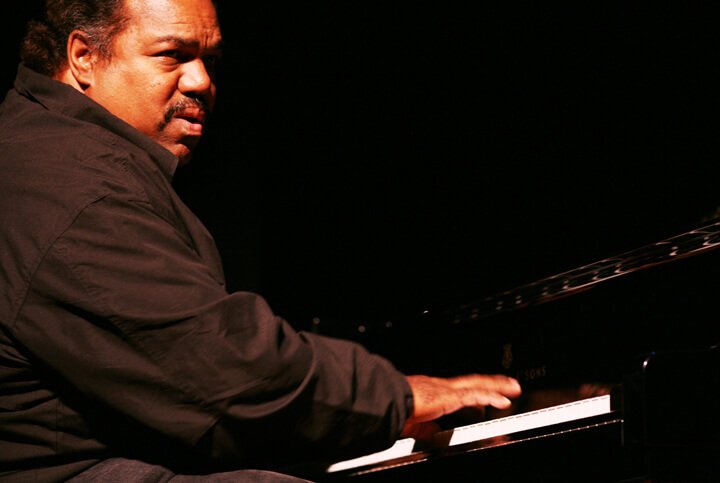
Enter Daryl Davis.
Related stories
I was first made aware of this renowned boogie-woogie pianist’s wondrous life story when he was featured on an NPR Snap Judgment segment last November. Thirty years ago, Davis embarked on a similar path to research the roots of hate, albeit his experiences have been incomparably unique, intriguing and inspiring. Soon after learning of Davis’ work—which involves opening dialogue and even kindling friendship with members of notorious white supremacist groups—I was determined to meet him. A few meetings and extended conversations later, and I am honored to consider Daryl both a friend and ally in my anti-racism quest.
During our last meeting, Davis put me in touch with Arno Michaelis, former organizer within the white power movement and lead singer of white supremacist metal band Centurion. Being able to consult and build with Michaelis has enriched my perspective insofar as obtaining a deeper understanding of how some whites may perceive race-related issues.
While his parents represented a somewhat odd dichotomy—his mother being very progressive, and his father staunchly conservative—Arno grew up in a fairly apolitical environment. Moreover, religion seemed to be a total non-factor in his warm embrace of racialized intolerance, as Michaelis described his upbringing as secular.
It was an early affinity for the warrior mythos and a penchant for alcohol and violence that led him to find sanctuary among hate groups that legitimized his desire for conflict. By the time he was 16, Arno had established antagonism as a self-prescribed norm to fuel his thrill-seeking behavior.
White power propaganda enabled Arno to attach his self-concept with an ideal that exalted him and people of his ilk above others.
He received little discipline from his parents who, Michaelis notes, “saw my antics as a sign of genius.” The gravitation towards a hate-centric belief system that reinforced a simplistic, black-and-white view of the world allowed Arno to channel his displeasure with his surroundings and life circumstances. White power propaganda enabled Arno to attach his self-concept with an ideal that exalted him and people of his ilk above others. This empowering belief led him down a seven year path of wanton violence paved with a lurid love affair with a racist skinhead lifestyle.
It wasn’t until he became a parent that Arno began to gradually distance himself from this destructive existence that saw several he shared fellowship with end up in prison or in an obituary. As he sought to carve out his own identity, Arno began to immerse himself into the rave scene, which was big in the mid-late 90s. Of these experiences, Arno stated: “I made friends with just about every kind of person that I had once claimed to hate. The acceptance and forgiveness demonstrated for me was huge.”
Michaelis was able to marshal an exodus from the tempest of white pride and venomous racism. When asked about successful ways to address the racism yet pervasive in our society, Arno lists the cultivation of human values as paramount. “Race is a construct. We need to defy it at every turn, which means engaging each other beyond the construct.”
This advice doesn’t refer to the impractical stance of colorblindness, but instead highlights a philosophy shared by both me and Daryl Davis. For Daryl, this means approaching avowed white separatists and white supremacists as individuals, extending them charity and remembering that even those who sermonize hate are still human. Daryl has told me on numerous occasions, “I don’t respect their views, but I can respect their humanity.” It seems bizarre for a Black man to say this in reference to the likes of Klan members, but I’m then reminded of all those Klansmen who have given up their white hoods as a direct result of Daryl’s methodology.
As outlined in an article published with The Humanist, I also echo Arno’s view by detailing three key components to destabilizing the presence of discriminatory attitudes. One, observing constancy. No problem is remedied by ignoring it. Habitually engaging in race-based conversations potentially builds awareness and better facilitates progress. Two, granting a platform. This essentially means that it is important for those who are not of color to heed the real-lived experiences shared by people of color. This allows prejudice to be upgraded through the eyes of those intimately familiar with marginalization. And lastly, perspective-taking. This is interrelated with granting a platform and is achieved mainly by creating social bonds—increased contact—with stereotyped people.
Michaelis contends that establishing common humanity empowers us to see differences as assets to embrace rather than liabilities to fear. “When shown compassion, kindness, and forgiveness, it destroys the constructs that narratives of us-vs-them are made of. Demonstrate how human beings should treat and cherish each other.” It is compassion coupled with anti-racist tenacity that can more effectively disrupt the motivations supporting white supremacist ideology and also extinguish the fear that fuels their hatred.
There are few things more dangerous than a scared white population. Such fear produces the Native American genocide, Jim Crow, the Chinese Exclusion Act, Japanese internment camps, neo-Nazism and like hate groups, mass incarceration, racial profiling, flagrant execution of unarmed black and brown bodies by police, and the vitriolic sentiment that inspired Dylan Roof.
People often state “it takes time” for major changes to come about. This is only partially true. If said time isn’t occupied by deliberate resistance to the inequitable status quo and the persistent presentation of a more evolved alternative, no amount of time will magically alter the state of affairs. Therefore, let us all be bold and unrelenting when confronting racism for a better tomorrow.
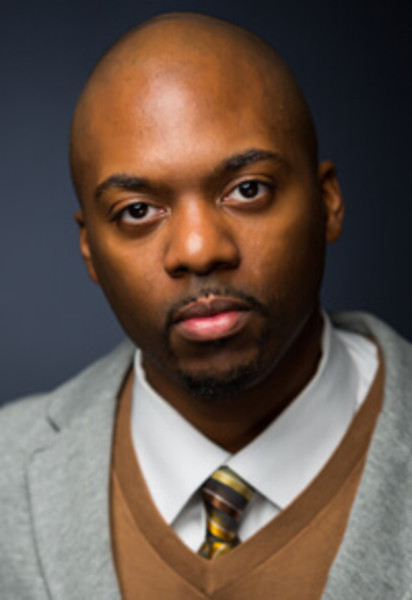
Sincere Kirabo
Comments

Powered by RoundtableAn AI/DeFi-powered Enterprise Media Operating System. Learn more at Roundtable.io.© Roundtable 2026. By using this site you agree to the Terms of Use and Privacy Policy