


Feb 4, 2025 11:50 PM
Updated Feb 8, 2025 10:49 PM
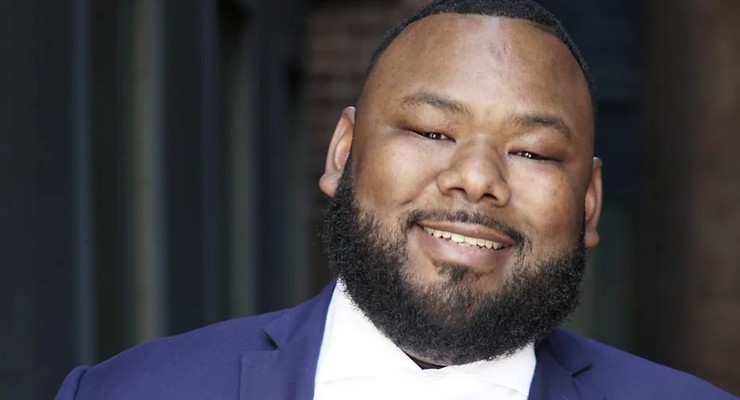
Brandon Lamar’s leadership approach centers community, a much-needed change during one of the worst crisis in the history of Pasadena
Brandon Lamar’s confirmation as president of the Pasadena NAACP comes at a critical juncture, as the city grapples with the aftermath of the Eaton Canyon Fire. His leadership approach has been characterized by proactive crisis management, coalition-building, and an emphasis on racial and environmental justice.
1. Eaton Fire Crisis Management & Rapid Response
Lamar’s immediate response to the fire demonstrated his ability to lead under pressure. He prioritized relief coordination, ensuring that aid reached the most vulnerable communities. His decision to mobilize a Black-led coalition to establish a resource and distribution center in Altadena and Pasadena showcased his ability to organize efficiently and respond swiftly to community needs. This kind of grassroots leadership contrasts with the bureaucratic inertia often seen in large institutions during disasters.
Unlike leaders who wait for external agencies to act, Lamar took a direct-action approach, filling the gaps left by government response efforts. His leadership echoes historical civil rights figures who understood that marginalized communities must often create their own relief networks in times of crisis.
2. Coalition-Building and Community Engagement
Lamar’s leadership is deeply rooted in collaboration and collective action. By bringing together local organizations, activists, and faith groups, he amplified the effectiveness of fire recovery efforts. His ability to engage grassroots movements while also working with institutional figures highlights a rare balance—being both a community advocate and a strategic negotiator.
Related stories
His ability to unite different groups demonstrates inclusivity and intersectionality, ensuring that the recovery effort is not just a service but a movement for systemic change. This coalition-building extends beyond disaster relief; it positions him to lead efforts addressing racial disparities in housing, environmental justice, and economic recovery.
3. Environmental and Racial Justice Advocacy
The Eaton Canyon Fire disproportionately impacted communities of color, exposing long-standing issues of climate injustice. Lamar’s leadership underscores the need for Black and Brown communities to be at the forefront of climate disaster response and policy discussions.
His collaboration with NAACP National President Derrick Johnson at a town hall reflects his commitment to addressing the racialized impact of climate change. Lamar understands that disasters are not just natural occurrences but socially and politically shaped events—where government neglect and systemic inequalities dictate who suffers the most.
By emphasizing environmental justice, Lamar’s leadership challenges the status quo and calls for long-term policy solutions rather than temporary relief efforts. His approach positions Pasadena’s NAACP as a model for how civil rights organizations can engage in climate activism.
4. Institutional Reform within the NAACP
Lamar’s election and its subsequent confirmation despite internal challenges suggest a changing of the guard within Pasadena’s NAACP. His leadership represents a departure from cronyism and stagnation, which critics argue plagued previous administrations.
The NAACP’s national leadership upholding Lamar’s presidency indicates a push for more accountable and action-driven leadership at the branch level. The rejection of former branch president Allen Edson’s challenge suggests that Lamar’s on-the-ground impact and legitimacy with the community outweighed political maneuvering within the organization.
This transition mirrors broader trends in civil rights organizations, where younger, more grassroots-oriented leaders are replacing older, establishment figures. It signals a new era for the Pasadena NAACP—one focused on action, transparency, and direct community service rather than purely institutional advocacy.
5. Future Prospects and Challenges
With his leadership now formally recognized, Lamar faces several key challenges moving forward:
- Sustaining momentum: Can he maintain the energy and unity of the relief efforts and translate them into long-term policy initiatives?
- Navigating internal NAACP politics: While he has national backing, resistance from entrenched figures could pose obstacles.
- Securing funding for recovery and justice initiatives: Disaster relief requires significant resources, and ensuring continued financial support will be critical.
- Advancing racial and environmental justice policies: Pushing for legislation or local policy changes to prevent similar disproportionate impacts in future disasters.
A New Model for Local Civil Rights Leadership
Lamar’s hands-on, activist-driven leadership exemplifies a modernized approach to civil rights work. Rather than relying solely on legal battles or advocacy campaigns, he is on the ground, responding in real-time to crises that disproportionately impact Black and marginalized communities.
His leadership sets a precedent for how NAACP branches—and similar organizations—can adapt to contemporary challenges like climate change, disaster recovery, and systemic inequality. If his tenure continues on this trajectory, Pasadena’s NAACP could serve as a national model for grassroots-driven racial and environmental justice advocacy.
Comments

Powered by RoundtableAn AI/DeFi-powered Enterprise Media Operating System. Learn more at Roundtable.io.© Roundtable 2026. By using this site you agree to the Terms of Use and Privacy Policy