
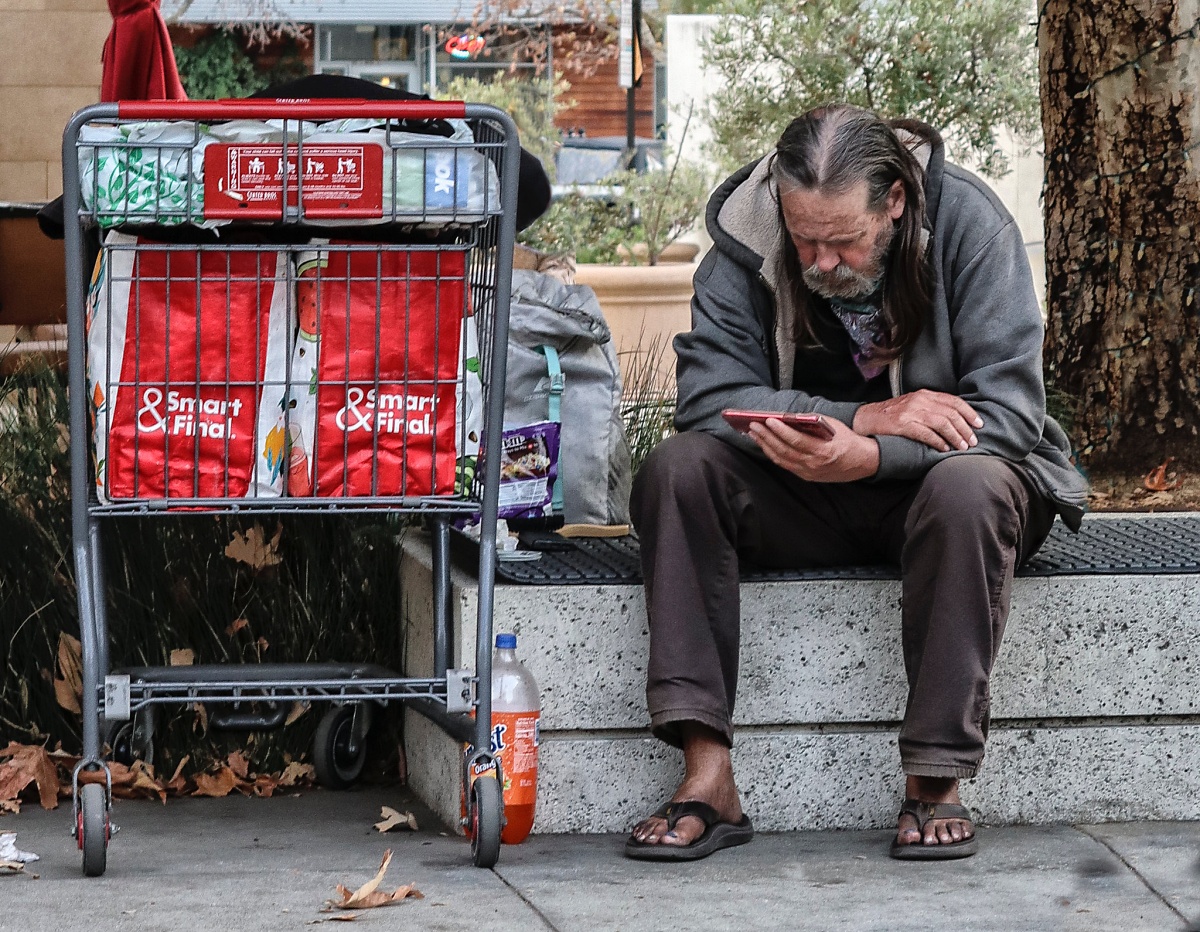
Russ Allison Loar • Attribution-NonCommercial-NoDerivs (CC BY-NC-ND 2.0) • Flickr


Tale of Two States
Jul 3, 2024 10:24 PM
Updated Jul 4, 2024 8:13 PM
A large swath of working men and women cannot afford the minimum of a middle-class life: a house or a decent apartment, a car, and a vacation.
California is a tale of at least two states. There are the haves, including those who have too much, and the have nots. It is no longer a matter of the poor alone who have not. A large swath of working men and women cannot afford the minimum of a middle-class life: a house or a decent apartment, a car, and a vacation.
Our tale of two also entails renters and homeowners. For the 55 percent of people who are fortunate enough to own homes, they have seen their homes explode as a store of wealth. High interest rates and grandfathered real estate tax rates make it unattractive for current owners to sell. In turn, a small inventory of houses for sale drives up prices for cash buyers, be they wealthy foreigners or corporate owners or the super-rich. However, if you are a renter today, you most likely are going to be a renter forever. Only 15 percent of people who don't already own can afford a home in California. As a result, California soon will be a majority renter state.
With state-mandated restrictions on the ability for cities to control rents, housing will take a bigger and bigger bite out of people's pay. Instead of building equity in a home, people will be dreading their next rent increase. Saving up for a down payment or getting into a starter home or condo will be out of reach. The tax deduction for home interest will benefit those who already own their home, while renters won't get a break.
Beyond the impact on individuals and families, this tale has profound social implications. Homeowners have more of a stake in their neighborhoods than renters do. Owners want to protect their property values by belonging to a neighborhood association, contributing to added security patrols, joining neighborhood watches, and improving their properties.
Related stories
High rents are a major problem for businesses too. Companies can't attract talent when people can't afford to live where they work. In fact, hundreds of thousands of people have left the state for more affordable markets. As more better-off people leave and the number of homeless and rent-burdened people explodes, the responsibility on government increases. Who will pay the taxes to care for everyone in need if the exodus continues? California already is coping with a $68 billion deficit.
It is not hard to see that if we remain on the current course, living conditions here will become unimaginable. There currently is no safety net to prevent the 181,000 homeless population from doubling and tripling. The tens of billions spent on curbing the tide haven't made a dent because they haven't dealt with a simple reality: the rent is too damn high. Leaving the poor, the disabled, and the elderly to the vicissitudes of the market has been a disaster. All of the incentives are aligned to produce more housing that is unaffordable to anyone earning below the median household income of $92,000.
Abandoning renters is not a viable option. Homeowners may not feel that the high cost of rental housing is their problem, but it is for their family, friends, and neighbors. Not to mention that no society can sustain a healthy environment when so many people are deprived.
California once was the epitome of opportunity and the good life. Our population expanded exponentially from under two million in 1900 to 10 million in 1950 to 39 million in 2024. Today, that good life is reserved for the very few. The whole premise for California's success is under threat. The current housing crisis is unsustainable. If we don't rein in corporate real estate greed, control rents, and build truly affordable housing, we can kiss the California Dream goodbye.
Comments

Powered by RoundtableAn AI/DeFi-powered Enterprise Media Operating System. Learn more at Roundtable.io.© Roundtable 2026. By using this site you agree to the Terms of Use and Privacy Policy