


Jun 10, 2021 12:00 PM
Updated Feb 10, 2022 10:09 PM
In addition to increasing fees on the accounts of residents who produced solar power, the bill would undo the responsibility of utilities to increase clean-energy generation from dispersed sources.
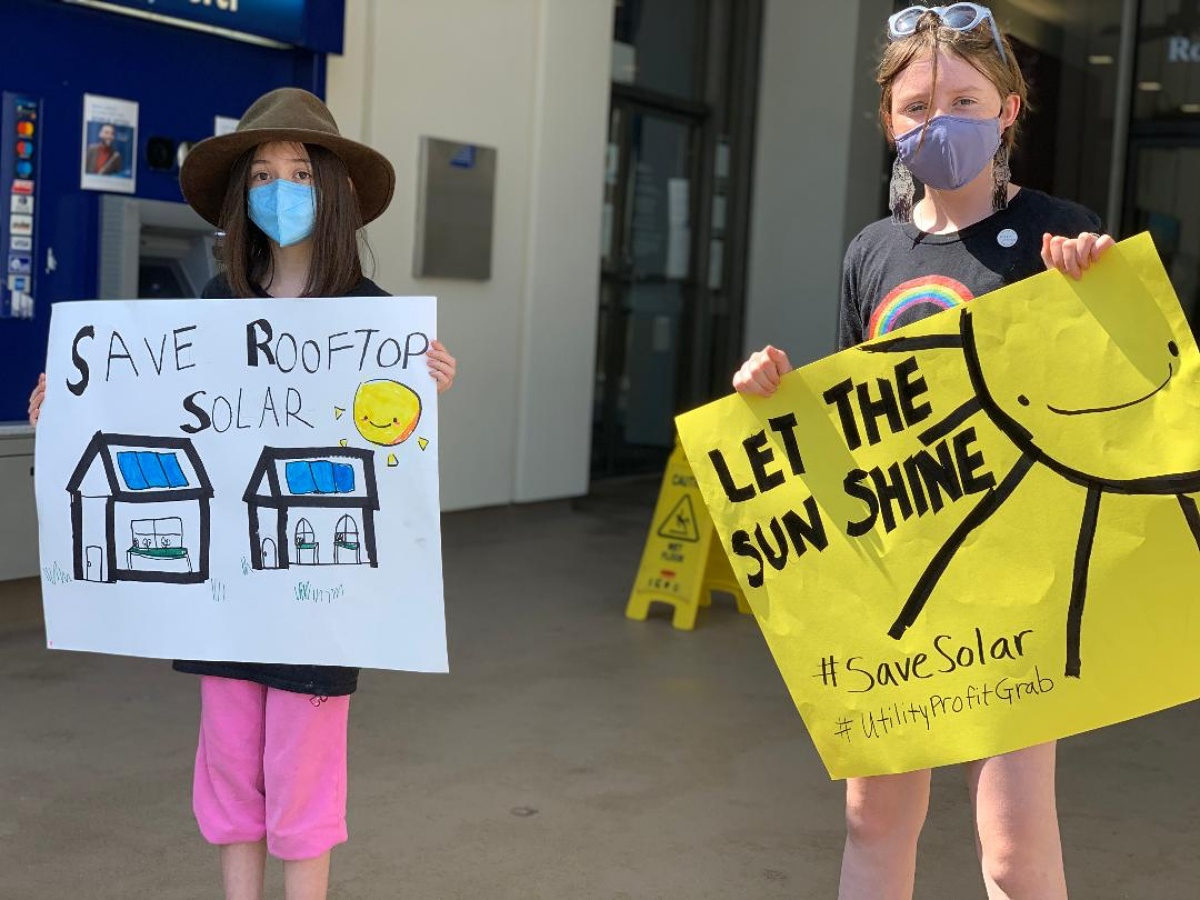
It was the last thing some alert residents would have expected to prevent lawmakers from doing, in California. Throughout the spring, a state bill to cut incentives for generating rooftop solar power and rewards to residents who contribute energy back to the grid grew into a serious threat to pass the legislature.
Two Democrats out of step with their party’s platform on clean energy chose to lead charge. Calling out the consequences of their push and, at a moment when solar has champions in charge of the White House and Congress, saving rooftop solar in California became a test of progressive leaders at the grassroots. Could informed pushback by constituents in lawmakers’ districts and a groundswell against short-circuiting solar power beat big utilities at the inside game of politics in Sacramento?
In addition to increasing fees on the accounts of residents who produced solar power, the bill would undo the responsibility of utilities to increase clean-energy generation from dispersed sources.
The legislation, AB 1139, was introduced by Assemblymembers Wendy Carrillo of Los Angeles and Lorena Gonzalez. In addition to increasing fees on the accounts of residents who produced solar power, the bill would undo the responsibility of utilities to increase clean-energy generation from dispersed sources. This provision remained a smoking gun about the bill’s purpose despite efforts by the sponsors to disguise it.
Related stories
Democrats control both the Assembly and state Senate by margins of more than 3 to 1. Yet some utilities still reliant on fossil fuels remain adept at tempting some Democrats overly dependent on campaign donors that are repugnant to many progressive voters to stray from the high ground and do corporate bidding instead. Assemblymembers Gonzalez, a major recipient of money from police groups, and Carrillo, who accepts big checks from charter-school promoters, obliged. Gonzalez brought the added cachet of being Appropriations Committee chair.
The Democratic platform so fully embraces clean energy including solar power that sun icons smile from the logos of many candidates for state office and for positions in the state and county party structure. Talking points on the benefits of rooftop solar are applause lines at Democratic candidate rallies and fund-raisers throughout the state. California is such a front-runner in the shift toward solar and away from fossil fuels that candidates from Jerry Brown in the 1970s to Tom Steyer in 2020 staked their pitch for seeking the Presidency in the revolutionary potential and progress of solar power.
AB 1139 was a counter-attack. Its models were pro-utility policies in Arizona and Utah that had disastrous consequences. Adoption of rooftop solar plummeted in both states after new mandates orchestrated by big utilities changed the rules. Long-term rewards are crucial to many homeowners in the decision to install solar, since it often takes years for lower bills and paybacks for donating locally generated energy to other consumers on the grid to overcome the initial overhead costs. Instead of promoting rooftop solar, some utilities recognized they could claw back profit and lock in higher revenue streams by crippling its spread to residential customers. Campaign donations often help buy the ears and intervention of willing state lawmakers. Could Democrats in California be the vehicles for doing in a blue state what Republicans had perpetrated on residents in other Southwest states?
The bill faced strong resistance from a coalition of solar energy leaders, and proponents of environmental justice quickly rose to meet the challenge. “The blow to rooftop solar dealt by this bill couldn’t come at a worse time,” wrote East Area Progressive Democrats (EAPD) in a May 2021 letter to lawmakers and the club’s more than 1,000 members. “Installation of rooftop solar by ordinary homeowners continues to become more affordable, dropping in cost by 70 percent over the past decade. Three out of every 7 new placements are on the rooftops of low- to moderate-income households. This trend is particularly encouraging in California, home to about half of total solar installations in the entire country.”
AB 1139, the club warned, would repeal the state requirement on utilities that “customer-sited generation continues to grow sustainably.” The bill “is among the most regressive counter-attacks on clean energy in the entire U.S. It would concentrate power, in both the electric and political sense, in the hands of electric utilities still reliant on fossil fuels.”
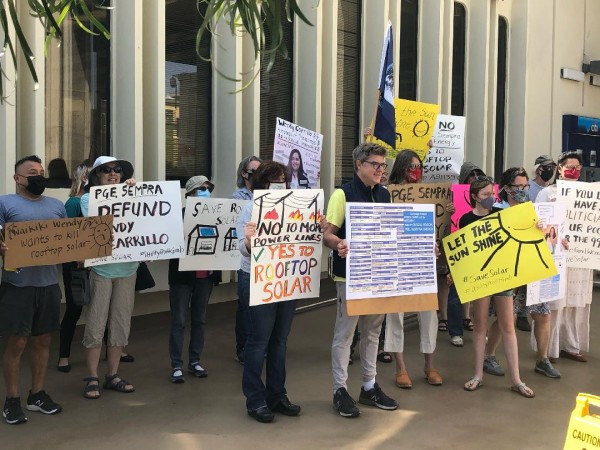
On June 1, more than 30 Angelenos, led by constituents of Assemblymember Wendy Carrillo, showed up at her Echo Park office on just a day’s notice for a safe protest urging her to stop carrying the bill. That night, in a committee of the Democratic party of L.A. County, the bill was tabled without the sufficient support to gain recommendation. The next day, AB 1139 failed on the floor of the state Assembly on a vote of 27-27 with 25 abstentions, embarrassingly short of the 41 votes needed for passage. It could return through a maneuver called gut-and-amend, substituting its contents into another bill in an attempt to revive it. It might also come back next spring.
For now, the win for clean-energy and environmental advocates carries a lesson and a reminder. With COVID’s mortal threat waning due to vaccination, coming together safely to protest adverse actions by lawmakers is a necessary deterrent to their bad policy actions that defy progressive values and the public interest. It is also a reminder that all elected Democrats are not equal, and those who put greedy campaign contributors ahead of the economics of constituents and survival of the environment and planet are breaking the bond of trust with Californians. Especially when lawmakers stray, voters have the final say.
Comments

Powered by RoundtableAn AI/DeFi-powered Enterprise Media Operating System. Learn more at Roundtable.io.© Roundtable 2026. By using this site you agree to the Terms of Use and Privacy Policy