
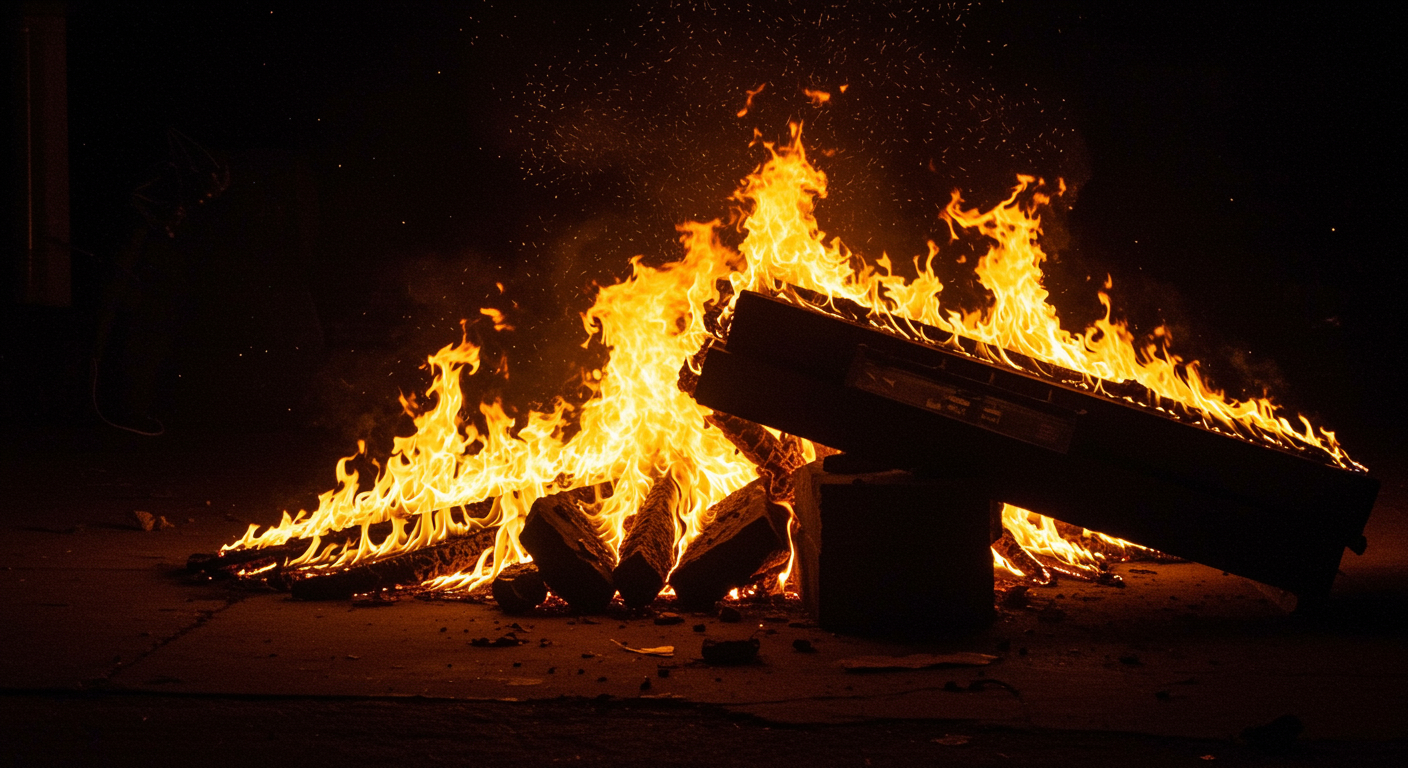


Altadena Fire Half a Year Later
Jul 4, 2025 8:59 PM
Updated Jul 5, 2025 12:53 AM
Altadena burned. Southern California Edison sparked it. The system lets us smolder.
I didn’t smell the smoke at first. I heard it—the silence of panic when police came through my eastside Dena neighborhood on their PA system ordering my family to leave now. We left, knowing the sirens were on their way to get others. They didn’t come for them.
That’s how the fire introduced itself.
The Eaton Canyon Fire didn’t care who you were. It didn’t check property records or zip codes. It didn’t ask if you had insurance or a second home to fall back on. When tearing through Altadena that night, it consumed everything in its path—brush, buildings, memories, lives. It was blind, but the aftermath has been a sight for sore eyes–to see.
What I’ve seen in the six months since isn’t two different disasters. It’s one disaster, experienced in many different ways. Same fire. Same night. Same fear. But the road back? That’s where the divide begins to show.
Related stories
As a journalist, a neighbor, and someone whose feet have been on this soil for years, I’ve witnessed something no lens could fully capture. I’ve interviewed over one hundred survivors, and I personally know over two hundred families who lost everything. Every day, I am reminded of the fire’s deadly devastation when I look up and see the Southern California Edison power poles that sparked and wiped out nearly 80% of Altadena.
And still—six months later—the smoke hasn’t cleared. Folks sit with jaws clenched, brooding over the injustice. Eyes red. Tear ducts? Done.
This isn’t just about structures burned—over 9,000 destroyed. Or the 25,000 people displaced. Or the 18 lives lost in flames. It’s also about lives disintegrating since then. The long-term health impacts may never be quantified—the accelerated expiration dates on lives already shortened by systemic neglect. For Black folks, who already live shorter lives due to generational stressors and domestic environmental terrorism, the trauma of this disaster is a multiplier.
Survivors are long past the lack of evacuation alerts and orders. They’re past wondering if the fire department and first responders could have done more. But they’re not quite ready to move past the lack of accountability from elected officials and Los Angeles County. What has popped off the screen—like an ominous warning in a horror film—is the realization that one day, those elected, those sworn in as public servants, and those collecting high salaries in corporate suites may actually have to do their GOD DAMN jobs.
We often try to make sense of chaos by sorting it. Like a documentarian in the editing room, I’ve begun to group stories into buckets—not to minimize anyone’s pain, but to understand how to tell this story with the depth it demands.
First, there are those who lost everything: homes, cars, family heirlooms, history, and generational wealth.
Second, those whose homes are standing but are unlivable. Toxins in the walls. Mold in the ceilings. Hope in limbo.
Third, the uncovered. Renters. Elders. Immigrants. Folks are already living one check away from catastrophe.
Fourth, the undecided. Holding on. Trying to figure out if rebuilding is even possible.
Fifth, small businesses. Home-based shops, food carts, barbers, daycare centers—all gone. No loans. No grants. No headlines.
People like Ray, who lost the house where he was born. Or Teresa, who kept her father’s military medals in a shoebox near the front door. All gone. No camera crews. No recovery ribbon cuttings. Just ashes and unanswered emails.
What I hear most from people isn’t anger. It isn’t very clear. Grief. Exhaustion. Every conversation ends with a version of the same question: What now?
And here’s what else we can’t ignore: Altadena wasn’t just any town. It was something sacred.
This was a Black enclave that generations had carved out through ownership and community. At one point, Altadena had the nation's highest per capita percentage of Black homeownership. We weren’t just surviving—we were building, planting generational wealth, brick by brick. And now? Many of those bricks are dust.
On my radio show, “Conversation Live: Altadena Rising” on KBLA Talk 1580, I’ve often said, “If Wakanda were a real place, Altadena would be one of its tribes.” That’s not just poetic. It reflects what this community meant—and what it could still be.
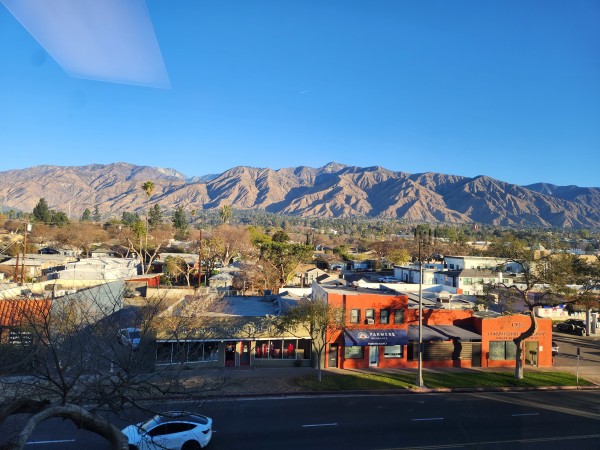
Everyone in Altadena knows somebody who knows somebody. This place is woven like links in a chain. Stretched, those links may not always meet, but when wrapped together, they make a stronger connector.
Meanwhile, recovery funding in the hundreds of millions has been pledged or raised, but where? Many survivors haven’t received enough to meaningfully shift their circumstances. Some nonprofits have banked the money, padding their reserves while families borrow to survive. A few people got gift cards. Others got nothing at all.
Southern California Edison has admitted its infrastructure likely sparked the fire. That makes this a disaster, but also a man-made failure. We need to say that clearly. It wasn’t lightning, it wasn’t arson, it was negligence.
And it happened to us.
The government response? FEMA and SBA came, but their process wasn’t built for this—not for working people, seniors who lost documents in the fire, or small business owners without payroll records. The alphabet soup wasn’t built for urgency. It was built for bureaucracy.
This event has confirmed what Black folks have known for generations: we’re on our own. No one’s coming to save us. You save yourself, or you don’t get saved at all.
The truth is, the fire was indiscriminate. The recovery is not.
That night, neighbors—Black, white, Latino, Asian—one thing in common–running from flames. Fear didn’t segregate. But six months later, the speed and scope of recovery do. Who gets to rebuild? Who gets ignored? Who gets bought out quietly by developers?
Yes, some prooerties have already sold, and yes, some will be rebuilt. But many residents are still in limbo, fighting with insurance, paying hotel rates they can’t afford, and wondering if their plot of land will ever feel like home again.
Yet even now, I see roots, resilience, recovery, rebuilding, and reunion shaping as only an Altadenaens can do.
Church lots have become distribution centers. Mutual aid groups are texting each other through the storm. Lawyers are volunteering. Neighbors are feeding neighbors. People aren’t giving up.
But we need more than grassroots. We need accountability. We need transparency. We need commitment.
Because disasters will come again. But whether recovery includes us—that’s a choice.
Will Altadena rise from these ashes—or will it be erased?
Because one thing is clear: disasters don’t pick sides, but recovery sure does. And if those in power don’t step up, if Southern California Edison and elected officials keep dodging responsibility, then this fire—and this fight—will burn longer than any flame.
Relief is needed now.
We’re done waiting.
The question now is simple: who’s really ready to do their damn job?
Comments

Powered by RoundtableAn AI/DeFi-powered Enterprise Media Operating System. Learn more at Roundtable.io.© Roundtable 2026. By using this site you agree to the Terms of Use and Privacy Policy