
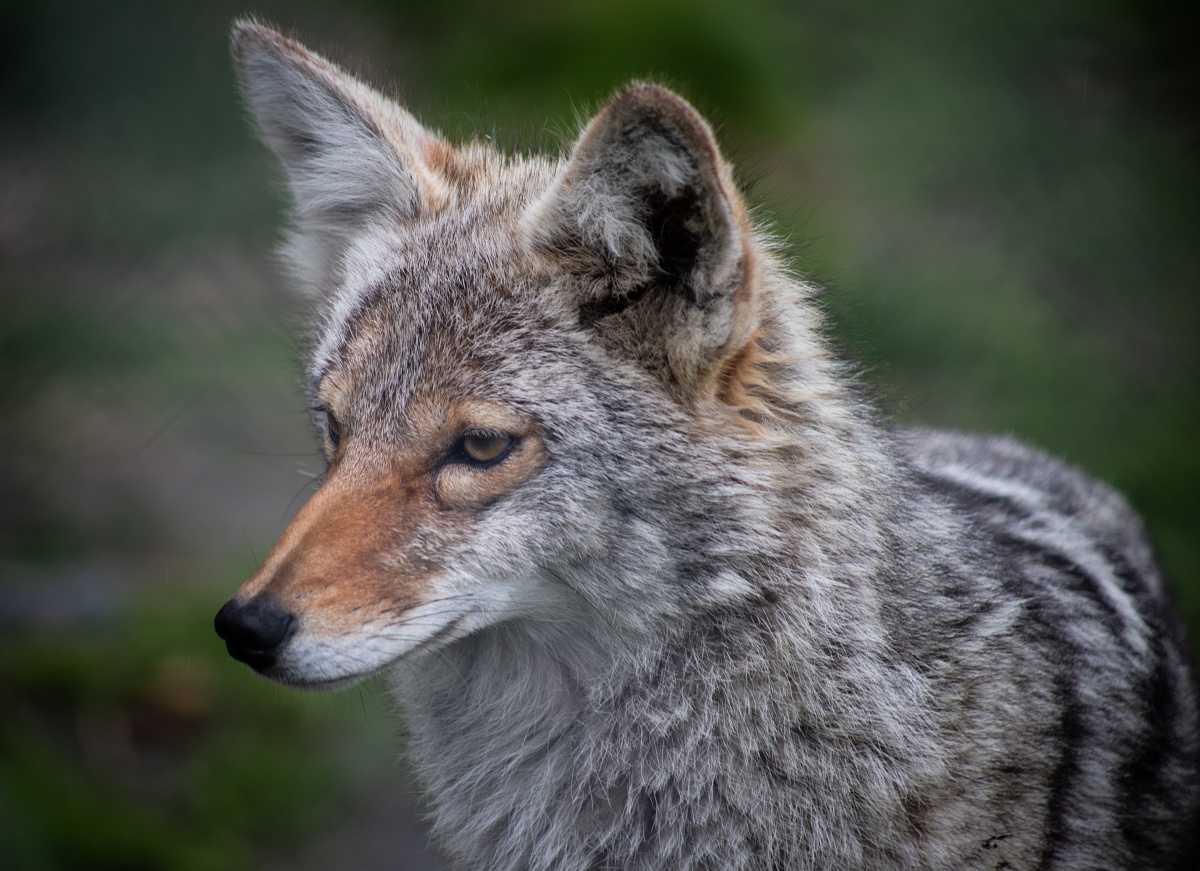
Photo by John Thomas on Unsplash


May 9, 2023 7:00 AM
Updated May 12, 2023 1:50 PM
Animals are master architects when it comes to providing a safe haven for their young ones.
Welcome, young explorers, to a fascinating journey into the world of animal parenting! From the tallest giraffe to the tiniest ant, every creature on Earth has its unique way of ensuring the survival of its precious babies. In this article, we will delve into the amazing adaptations and evolutionary strategies that animals have developed to protect and nurture their offspring. So, put on your safari hats, and let's begin the journey, along with the experts from Generation Genius!
I. Building Safe Homes: Nests, Dens, and Burrows
Animals are master architects when it comes to providing a safe haven for their young ones. Let's take a closer look at some incredible examples:
1. Avian Marvels: Birds are experts at constructing nests. From the intricately woven nests of weaver birds to the mud-based homes of swallows, these feathered parents create cozy spaces that shield their eggs and hatchlings from predators.
2. Underground Hideouts: Many mammals, such as rabbits and foxes, dig burrows underground. These burrows serve as secure shelters, protecting their babies from extreme weather conditions and predators.
Related stories
3. Cuddly Dens: Bears, wolves, and other mammals build dens for their newborns. These dens provide warmth and protection, ensuring the survival of their vulnerable offspring.
II. Defensive Disguises: Camouflage and Mimicry
In the wild, sometimes the best defense is blending in or pretending to be something else entirely. Check out these remarkable strategies animals employ to keep their babies safe:
1. Masters of Camouflage: Some animals, like chameleons and walking sticks, have an extraordinary ability to change their colors to match their surroundings. This camouflage helps their young stay hidden, making it harder for predators to spot them.
2. Impersonation Experts: Some animals mimic their surroundings or even other creatures to protect their young. For instance, the harmless scarlet king snake has evolved to resemble the venomous coral snake, keeping predators at bay.
III. Protective Parental Care: Milk, Pouches, and Brooding
When it comes to taking care of their young, animal parents go above and beyond. Let's explore a few examples of their incredible parenting techniques:
1. Nurturing Mothers: Mammals, like humans, provide milk to their babies. Milk is a rich source of nutrients that helps young animals grow and develop. Kangaroos take it a step further with their pouches, where their tiny joeys find comfort and nourishment.
2. Devoted Fathers: Seahorses are known for their unique parenting role reversal. After the female deposits her eggs into the male's pouch, he carries and nurtures the developing embryos until they are ready to hatch.
3. Doting Dads and Moms: Emperor penguins showcase remarkable teamwork in raising their young. After laying an egg, the female penguin transfers it to the male, who diligently incubates it while the female goes off to hunt. This cooperative effort ensures the survival of their offspring in the harsh Antarctic environment.
IV. Strength in Numbers: Herds, Schools, and Colonies
For some animals, survival lies in sticking together. These social creatures demonstrate the power of unity:
1. Mighty Herds: Herbivores like wildebeests and zebras form large herds to protect their young from predators. The sheer number of individuals confuses and deters predators, making it harder for them to single out vulnerable targets.
2. Schooling Safety: Fish, such as sardines and herring, swim together in colossal schools. This behavior creates a dazzling spectacle, but it also offers safety in numbers. Schooling makes it difficult for predators to single out one fish from the crowd, increasing the chances of survival for the entire group, including the young ones.
3. Busy Colonies: Some animals, like ants and bees, live in colonies where thousands of individuals work together as a cohesive unit. These bustling communities provide protection, food, and care for the young, ensuring their well-being and survival.
V. Adaptive Parenting: Unique Strategies for Challenging Environments
Animals have adapted to various environments, developing innovative ways to raise their babies. Let's explore a few examples:
1. Extreme Nesting: Penguins in Antarctica face freezing temperatures and harsh conditions. To protect their eggs and chicks from the icy ground, they build nests out of rocks, elevating their young above the cold surface.
2. Waterborne Nurseries: Crocodiles are expert parents, building nests on riverbanks. When the eggs hatch, they gently carry their babies in their mouths and transport them to the water, where they are safe from predators.
3. High-Flying Homes: Some birds, like storks and eagles, build enormous nests high up in trees or on cliffs. These lofty dwellings provide protection from ground-based threats and offer an excellent vantage point to keep an eye on their surroundings.
VI. Sacrificial Protection: Parental Sacrifices for Offspring
In some instances, animal parents go to extreme lengths, even risking their own lives, to ensure the survival of their babies. Let's explore a few examples of this selfless behavior:
1. Spider Moms: Female spiders often provide a meal for their young by allowing their spiderlings to feed on their own bodies. This act of sacrifice ensures that the babies have enough nourishment to grow and develop before venturing out on their own.
2. Ovipositor Defense: Some insects, like certain species of parasitic wasps, have long ovipositors (egg-laying structures). These ovipositors are used not just for laying eggs but also for defending their offspring. The wasps can sting and inject venom into potential threats, safeguarding their developing young.
3. Predator Distraction: When faced with a predator, certain animal parents will create a diversion or a distraction to draw the attention away from their vulnerable offspring. This selfless act gives their babies a chance to escape and increases the chances of their survival.
VII. Teaching Life Skills: Learning from Parents
Animals also play a vital role in teaching their young important life skills necessary for survival. Let's discover a few examples:
1. Hunting Lessons: Apex predators like lions and wolves teach their cubs and pups the art of hunting. Through play and observation, the young ones learn essential hunting techniques, which will eventually enable them to fend for themselves as they grow older.
2. Migration Guidance: Many bird species embark on long and arduous migrations, and the young birds rely on their parents to guide them on these journeys. By following the experienced adults, the young birds learn the correct routes, rest stops, and feeding grounds, ensuring they reach their destinations safely.
3. Social Etiquette: Animals that live in complex social structures, such as elephants and dolphins, pass down social behaviors and customs to their offspring. By observing and interacting with their parents and other members of their social groups, the young ones learn how to communicate, cooperate, and navigate the intricate dynamics of their communities.
Conclusion
The world of animal parenting is filled with astonishing adaptations, sacrificial acts, and the imparting of vital life skills. From parental sacrifices to the transmission of knowledge, animal parents showcase unwavering dedication and love for their babies. Through their remarkable strategies and instincts, they ensure the survival and success of the next generation. As we observe and learn about these incredible behaviors, we gain a deeper appreciation for the wonders of nature and the extraordinary ways in which animals nurture and protect their young. So, let us continue to marvel at the beauty of adaptation and evolution, and strive to protect and preserve the diverse species that make our planet so extraordinary.
Comments

Powered by RoundtableAn AI/DeFi-powered Enterprise Media Operating System. Learn more at Roundtable.io.© Roundtable 2026. By using this site you agree to the Terms of Use and Privacy Policy